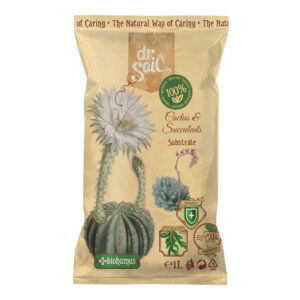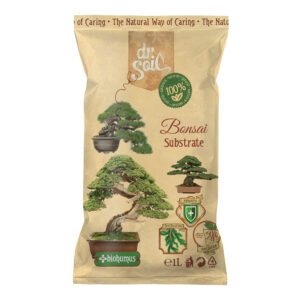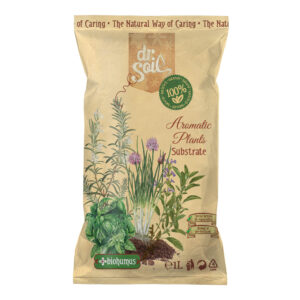
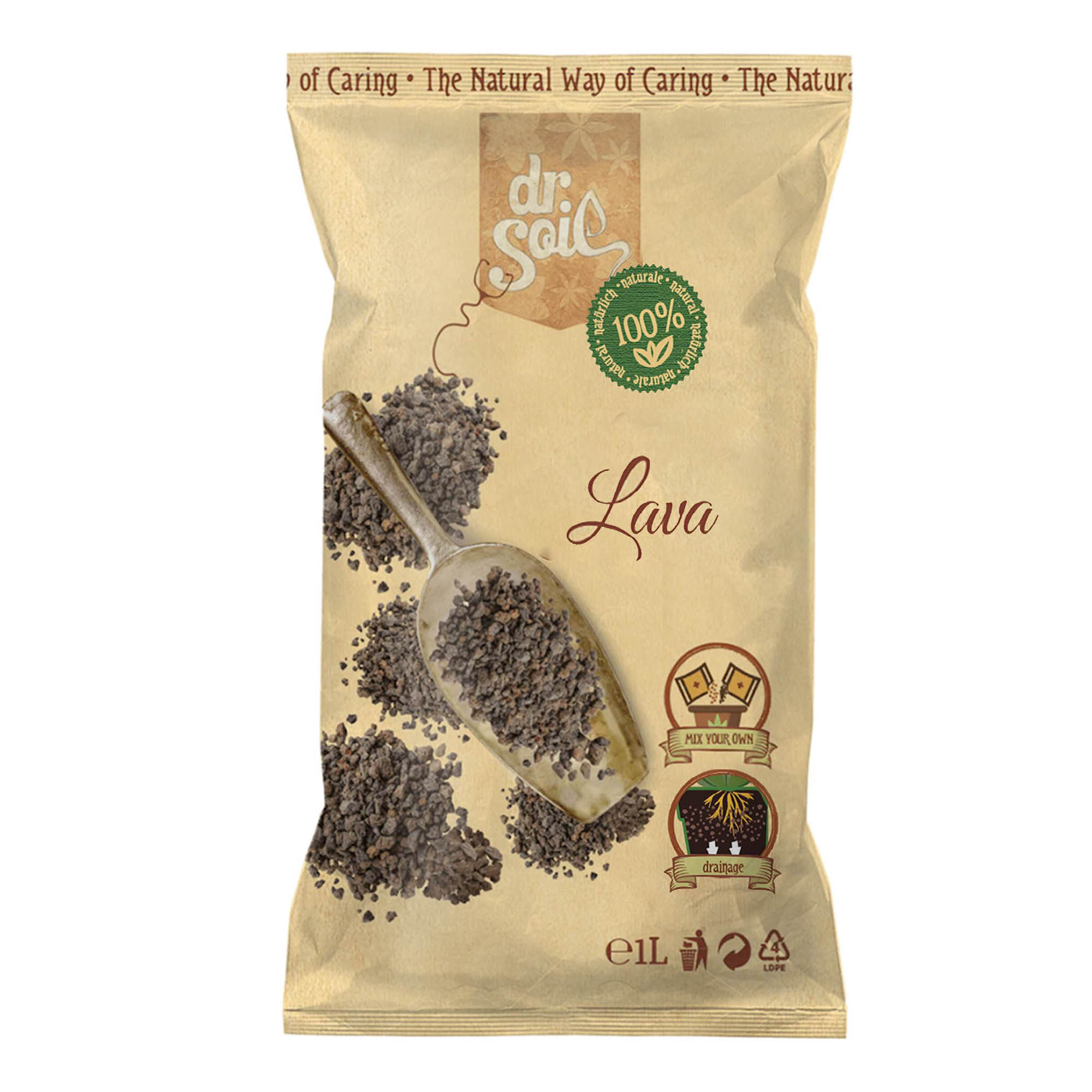
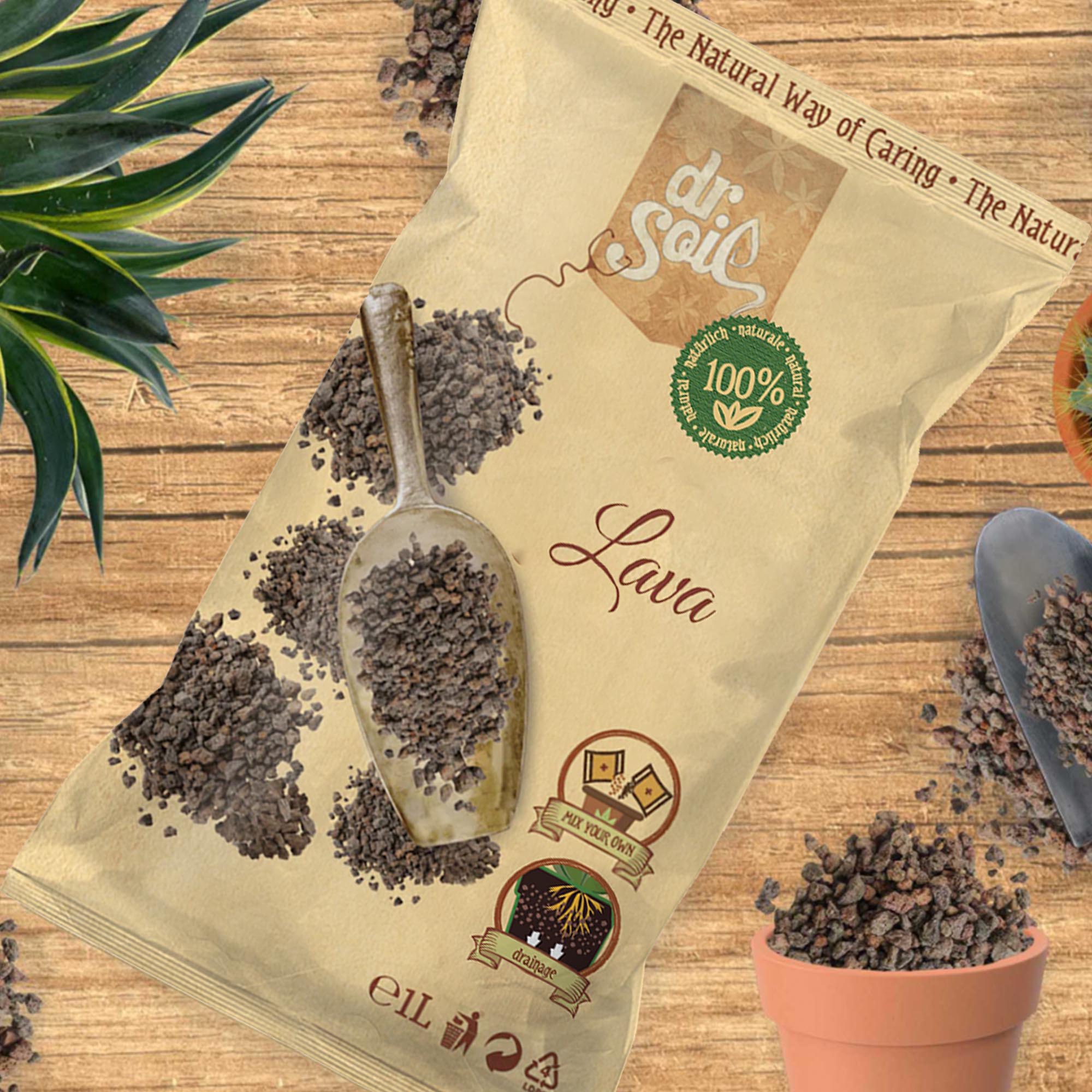
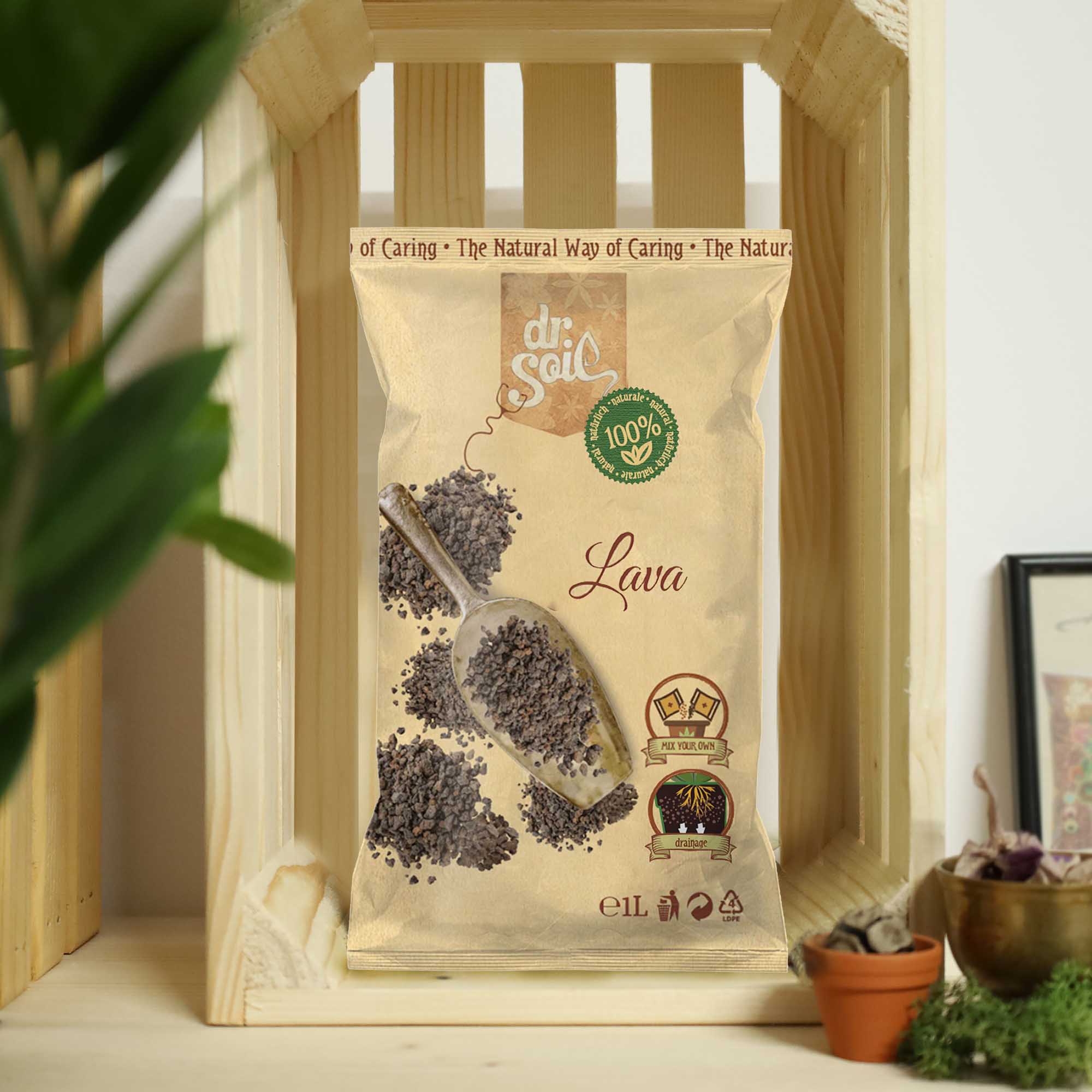
Dr.Soil Volcanic Lava improves the health of your plants by giving them aerated soil and effective drainage. Transform your garden now!
£5.49
Natural red scoria from Italian volcanic deposits — a highly porous, pH-neutral horticultural aggregate formed when basaltic lava cools rapidly, trapping gases to create a vesicular structure of extraordinary drainage and aeration capacity. The definitive aggregate for bonsai, succulents, cacti, and any plant that requires sharp drainage and heat retention in the root zone.
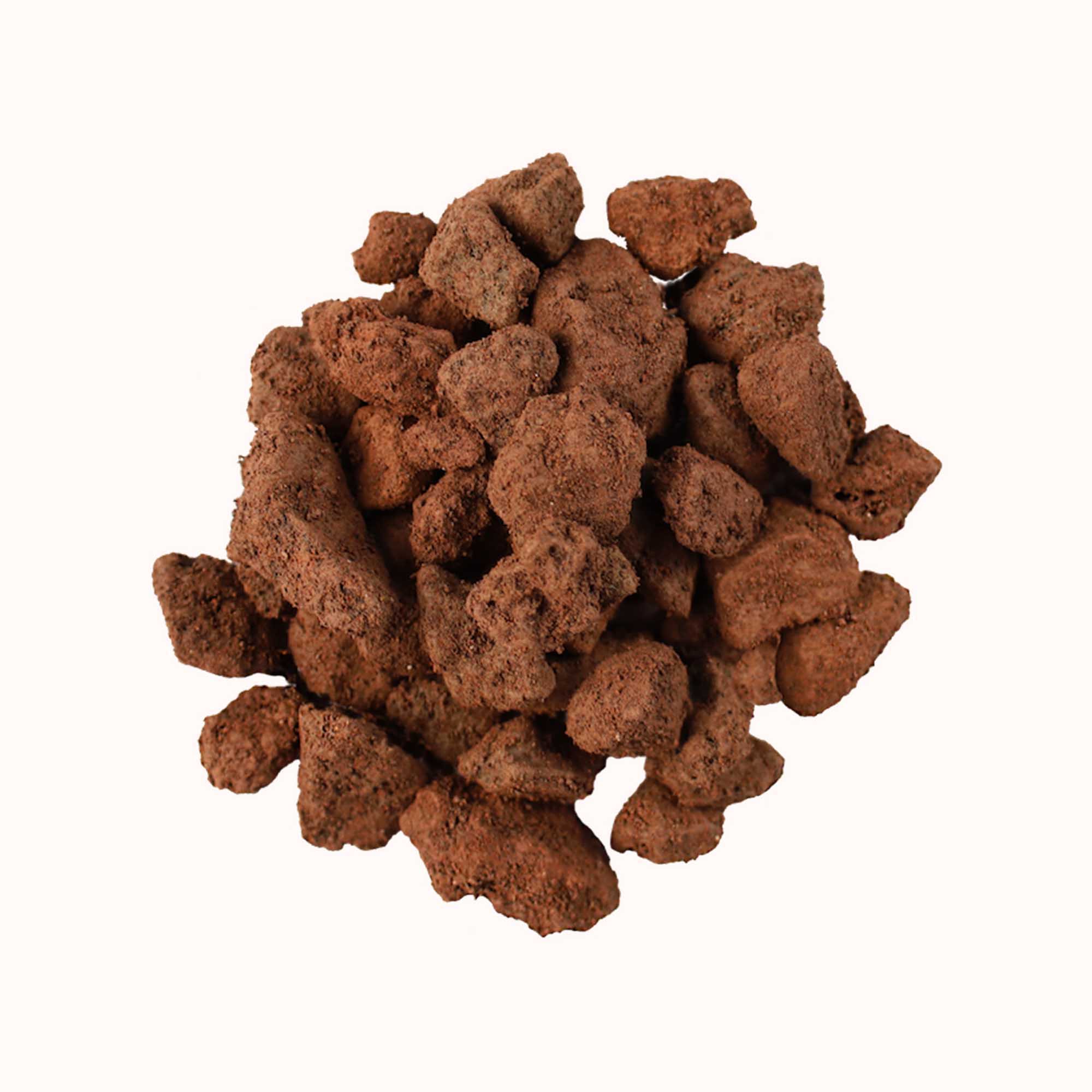
Volcanic lava scoria is formed when basaltic lava is ejected from a volcanic vent and cools rapidly in contact with air. The sudden cooling traps gases within the molten rock, creating a highly porous, vesicular structure of interconnected voids that give the finished material its characteristic rough, open texture. The deep red colour is not a dye or treatment — it is the natural result of iron in the basaltic rock oxidising during the cooling process, identical to the way iron turns red when it rusts. The colour, texture, and mineral composition are entirely as nature produced them.
At 4–8 mm, this is the universal horticultural grade for volcanic lava — coarse enough to create significant air pockets between granules in the root zone, fine enough to remain in stable root contact throughout the growing season. It is the particle size used in the standard professional bonsai substrate formula, in specialist succulent and cactus growing media, and as a drainage and aeration aggregate in any container or raised bed planting.
Both volcanic lava and expanded clay provide drainage, aeration, and structural permanence. The key differences are in thermal properties, mineral contribution, and aesthetic character. Volcanic lava has a significantly higher thermal mass — it absorbs warmth during the day and releases it slowly overnight, providing genuine frost protection and extending the growing season for outdoor containers. It also slowly weathers to release iron, magnesium, calcium, and potassium over time. Expanded clay is more uniform in particle size and pH, lighter in weight, and more predictable in its properties — the preferred choice where precision and reusability are priorities. For bonsai and Mediterranean-climate plants, volcanic lava is the more historically and botanically authentic choice.
Dr.Soil Volcanic Lava is designed for horticultural applications where maximum drainage, root aeration, and heat retention are the defining requirements.
Rinse Dr.Soil Volcanic Lava before use to remove fine dust produced during transport. A brief rinse in water is sufficient; extended soaking is not required.
| Application | Rate | Method |
|---|---|---|
| Bonsai substrate | 33% lava, 33% akadama, 33% pumice | The classic professional formula. Adjust ratios to tree species: deciduous trees lean towards more akadama for moisture retention; pines and junipers towards more lava and pumice for drainage. Repot in early spring before buds break. |
| Succulent and cactus mix | 40–60% by volume | Combine with a small amount of peat-free compost or worm castings (10–20%) to supply nutrition, with the balance lava. The high lava proportion ensures the sharp drainage these plants require. |
| Orchid substrate | 30–50% by volume | Mix with coarse pine bark and a small amount of perlite. The lava provides structural stability and drainage; the bark provides the organic matter that orchid roots require. |
| Mediterranean herb mix | 30–40% by volume | Blend with peat-free compost and a small amount of perlite. The lava fraction ensures sharp drainage and heat retention; the compost provides the modest nutrition Mediterranean herbs need. |
| Drainage layer | 2–4 cm at base of container | Place in the bottom of any pot before adding the main growing medium. More visually dramatic than expanded clay when visible through clear containers. |
| Decorative topdressing | 1–2 cm surface layer | Apply over the substrate surface. Suppresses algae, retains warmth around the stem base, and creates a visually striking mineral surface that complements the plant above. |
Volcanic lava is a permanent structural component with no seasonal constraints. It is most effective incorporated at potting or repotting in spring, when plants are moving into active growth and will benefit immediately from the improved drainage and aeration. For bonsai specifically, repot in early spring just before buds break — the moment when root disturbance is best tolerated and recovery is fastest. As a topdressing on outdoor containers, apply in spring and leave in place year-round, where it provides both aesthetic value and practical heat retention through summer and autumn.
Store in the original sealed bag in a dry location. Volcanic lava is completely stable in storage — it will not degrade, absorb moisture harmfully, or change its properties. Keep dry between uses. Rinse before each use to remove any accumulated surface dust.
Volcanic lava is non-toxic and presents no health hazard in normal horticultural use. The rough surface of the granules is not sharp enough to cause skin injury under normal handling conditions.
Dr.Soil Volcanic Lava — Red Horticultural Scoria · Net volume: 1 litre · Particle size: 4–8 mm · Origin: Italy — volcanic region · Colour: natural red iron oxidation · pH neutral · No dyes or treatments · Permanent amendment