£5.49
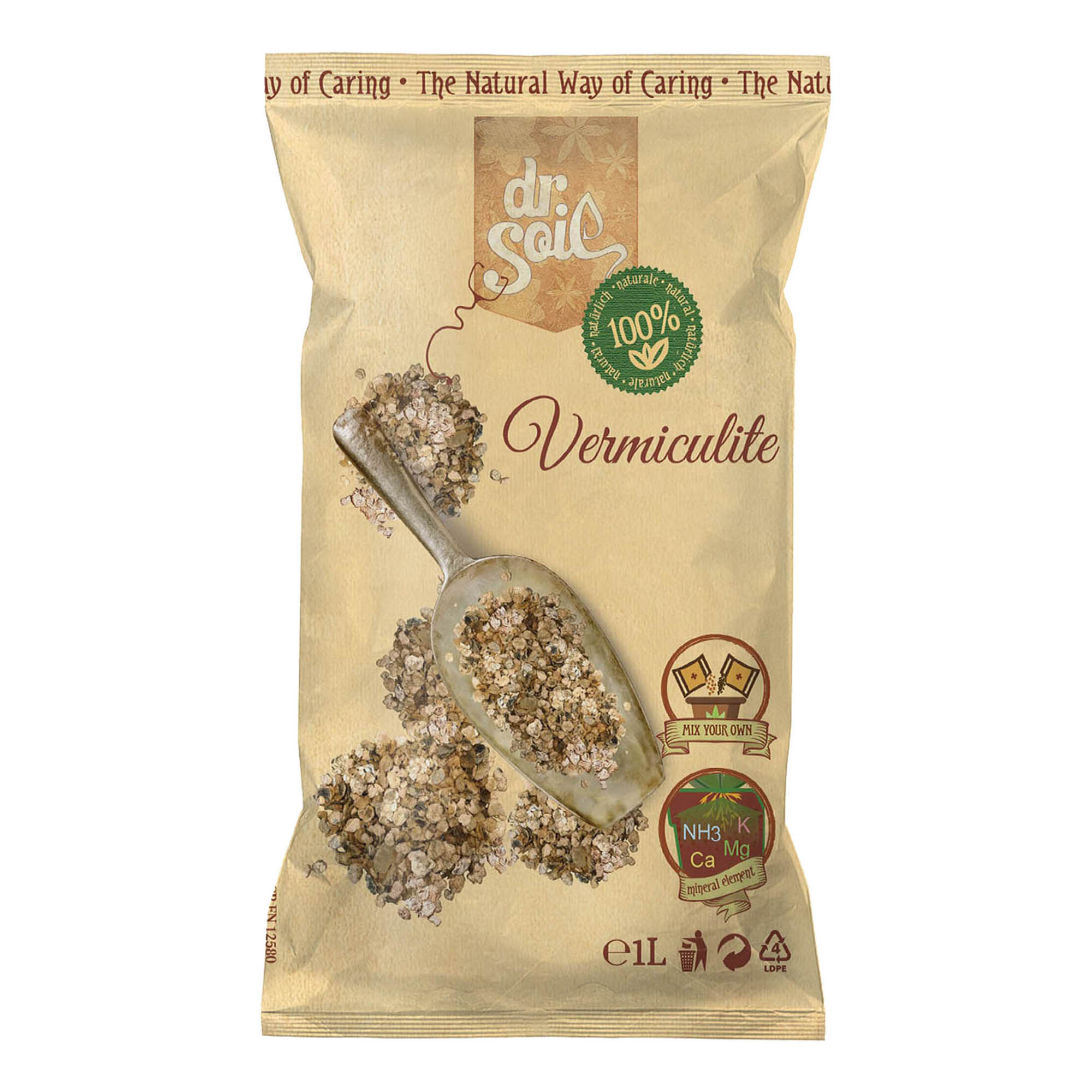
Exfoliated medium-grade vermiculite produced in Central Europe to EU horticultural standards — a heat-expanded hydrated magnesium aluminium silicate mineral with exceptional moisture retention, high cation exchange capacity, and a natural slow release of potassium, magnesium, and calcium. Asbestos-free, sterile, and pH neutral. The preferred amendment for seed germination, cuttings, and moisture-sensitive plants.
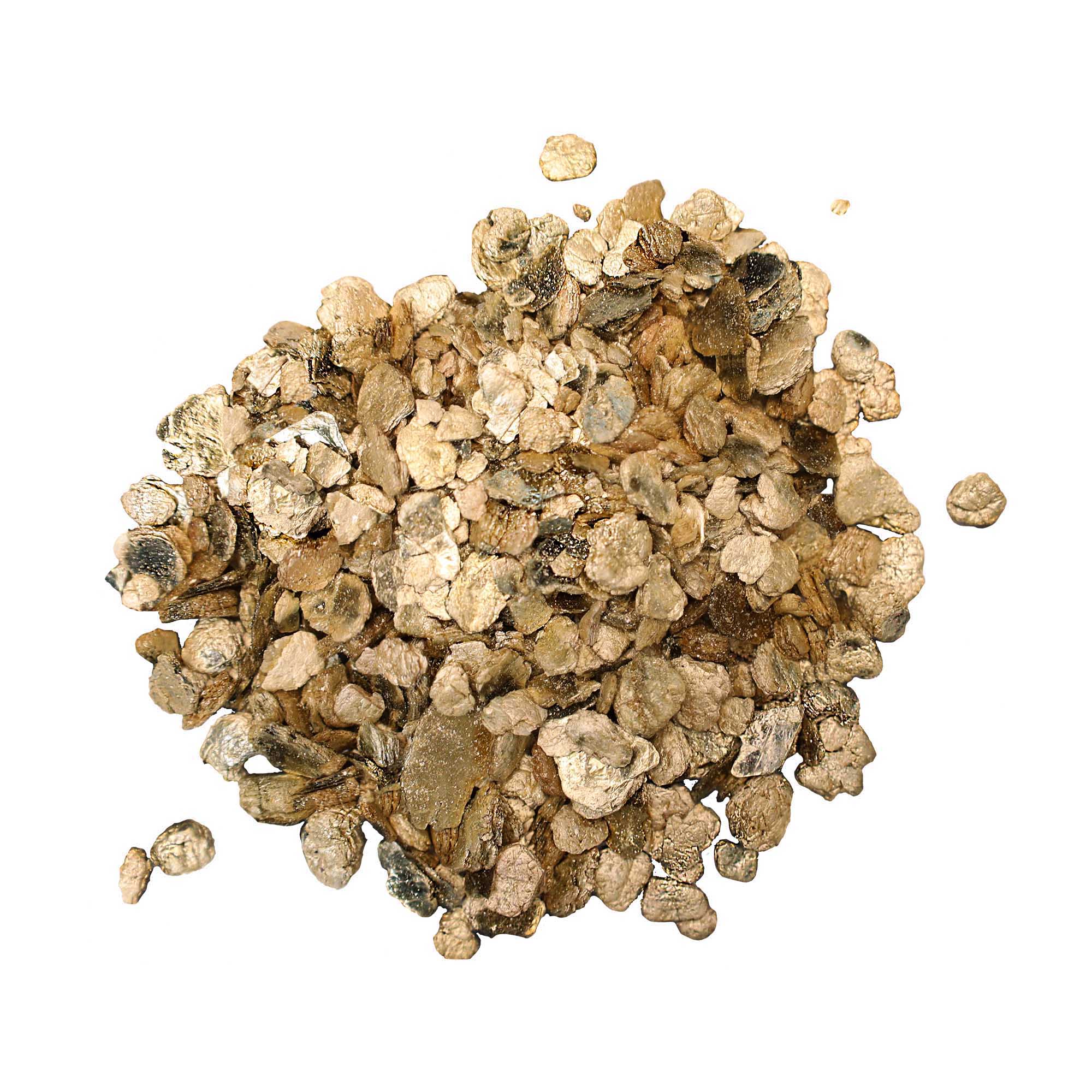
Vermiculite is a naturally occurring hydrated magnesium aluminium silicate mineral belonging to the phyllosilicate group. When natural mica ore is rapidly heated to 800–1,000°C, the bound water molecules between the mineral layers vaporise and expand, causing the rock to exfoliate in a characteristic accordion-like fashion that multiplies its original volume many times over. The result is the familiar gold-bronze, lustrous flake structure whose properties have made it one of the most used materials in professional horticulture for over 60 years.
The exfoliated vermiculite flake has three distinct properties that together account for its horticultural value. Its layered internal structure holds water by capillary action between the mineral sheets, retaining moisture longer than most other amendments. Its negatively charged surface attracts and holds positively charged nutrient ions (cations) — the cation exchange capacity (CEC) that prevents nutrient leaching and maintains a consistent nutritional environment around roots. And its mineral composition — primarily magnesium, with potassium, calcium, and trace elements — provides a genuine slow nutritional contribution to the growing medium over time.
Vermiculite and perlite are complementary, not interchangeable. Perlite has a higher total porosity and prioritises drainage and aeration — the right choice wherever root rot prevention and oxygen availability are the primary concern. Vermiculite prioritises moisture retention and nutrient holding — the right choice wherever consistent hydration and gentle nutrition are most important. Most professional propagation media combine both: perlite’s drainage properties prevent waterlogging; vermiculite’s retention properties prevent the medium drying out too rapidly between waterings.
Dr.Soil Vermiculite is designed for situations where moisture retention and gentle nutrient supply take priority over maximum drainage — the most delicate and demanding growing situations in the horticultural calendar.
| Application | Rate | Method |
|---|---|---|
| Seed germination | 50–100% | Sow seeds directly into moist pure vermiculite, or use a 50:50 blend with fine coir or seed compost. Cover seeds with a thin layer of vermiculite and maintain even moisture. The light, open structure promotes germination whilst preventing the surface capping that causes poor emergence in fine-textured composts. |
| Cutting propagation | 100% or 50:50 with perlite | Insert prepared cuttings into moist vermiculite. Water thoroughly. No fertiliser is required until roots are established. The medium maintains moisture without creating the waterlogged conditions that cause stem rot. |
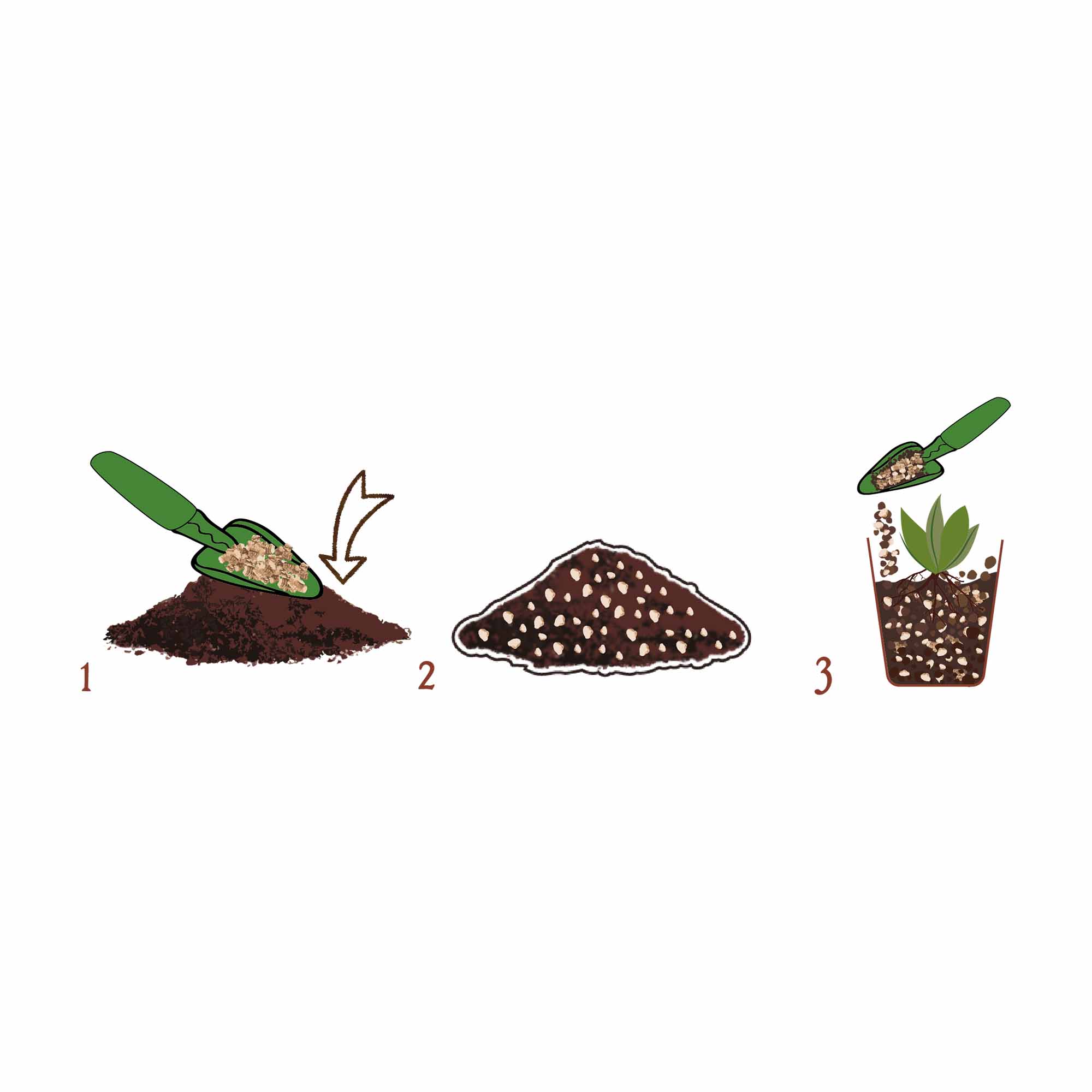
| Potting mix amendment | 20–30% by volume | Blend evenly with peat-free compost, coir, or any base medium before potting up. Particularly valuable in peat-free mixes that dry out quickly between waterings. Mix thoroughly to avoid layering, which impedes drainage. |
| Bulb and tuber storage | Generous layers | Layer dahlia tubers, begonia corms, gladioli, and other tender storage organs between 5 cm layers of dry vermiculite in a cool, frost-free location. The vermiculite absorbs excess moisture that would cause rotting whilst preventing desiccation. |
| Hydroponics (wick systems) | 75–100% | Fill the growing container with moist vermiculite. Water with a balanced nutrient solution at half the recommended strength. The capillary properties draw moisture upward from the reservoir consistently and reliably. |
Vermiculite is most valuable at the start of the growing season — February to April — when seeds and cuttings require consistent moisture to establish. Prepare germination and propagation mixes in late winter, ready for the main sowing period. In autumn — October and November — vermiculite becomes essential again for overwintering tender bulbs and tubers that cannot survive frost in the ground. For houseplants and container growing, incorporate at any repotting throughout the year.
Store in the original sealed bag in a dry location. Vermiculite is stable in storage but should be kept dry to prevent pre-wetting and potential microbial growth in the bag. If lightly misted during storage, this is not harmful but the material should be used promptly.
Vermiculite is non-toxic and presents no health hazard in normal horticultural use. The asbestos-free EU production standard means the respiratory precautions associated with some imported vermiculite grades do not apply to this product under normal handling conditions.
Dr.Soil Vermiculite — Medium Grade 2–4 mm · Net volume: 1 litre · Origin: Central Europe — EU production · pH: 6.5–7.5 (neutral) · Asbestos-free · Sterile · High CEC · EU horticultural standard