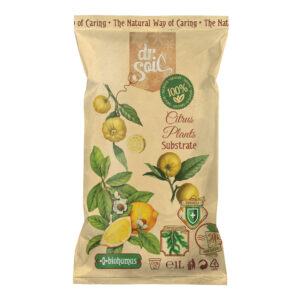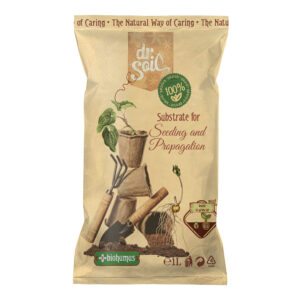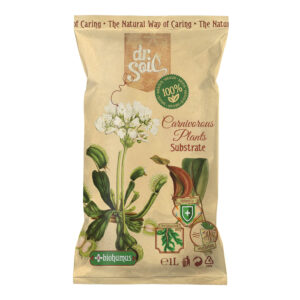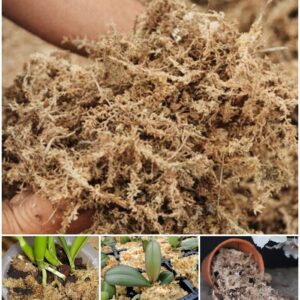
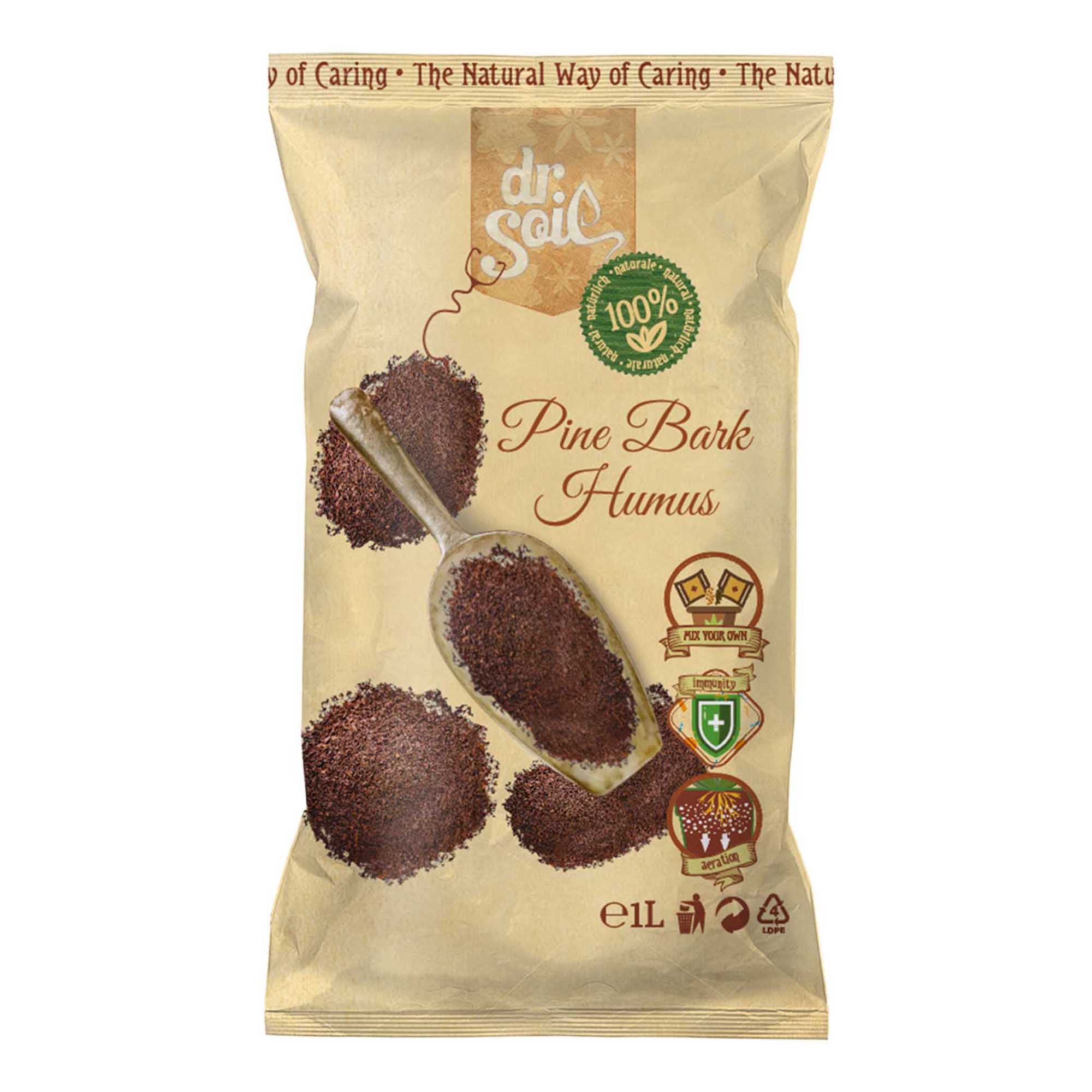
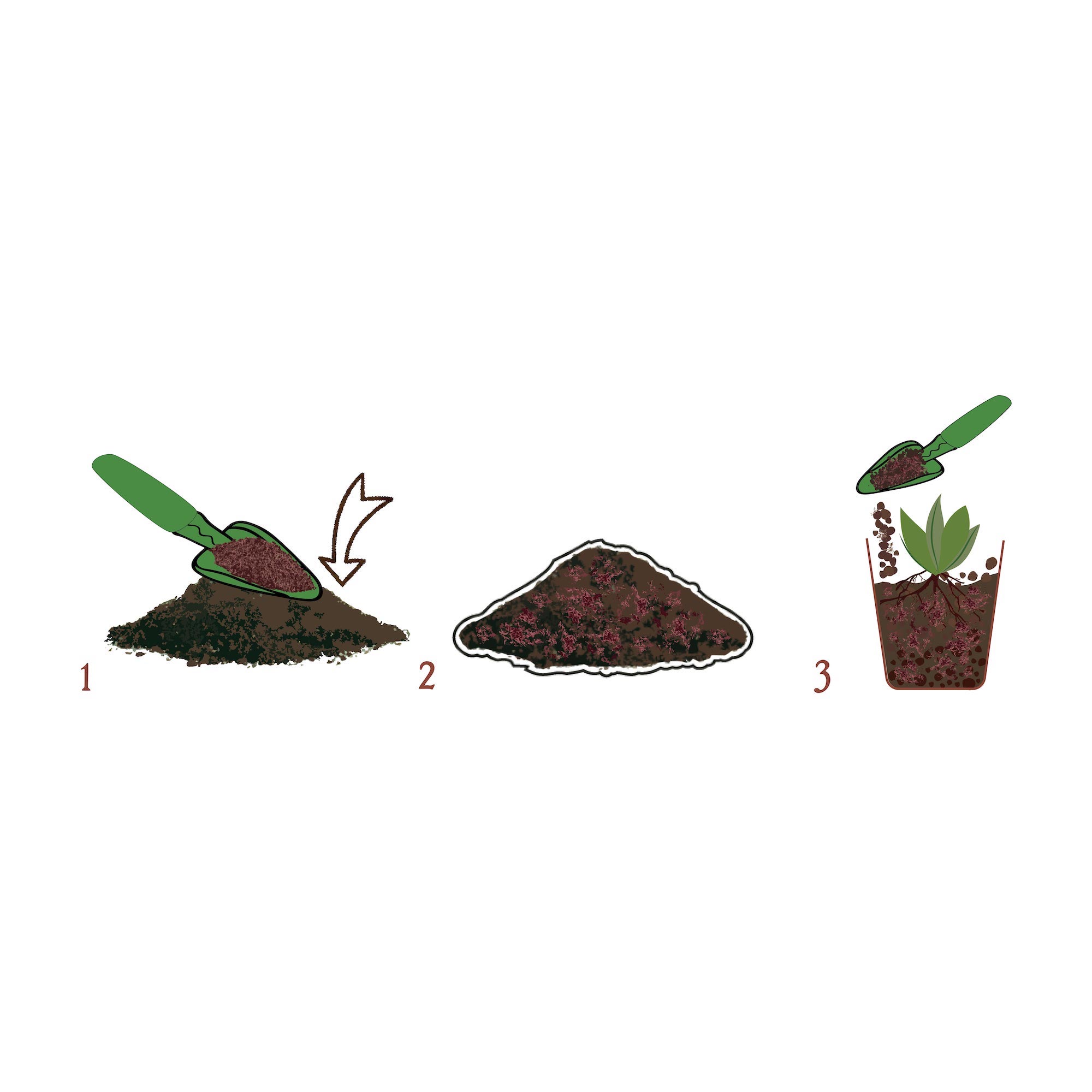
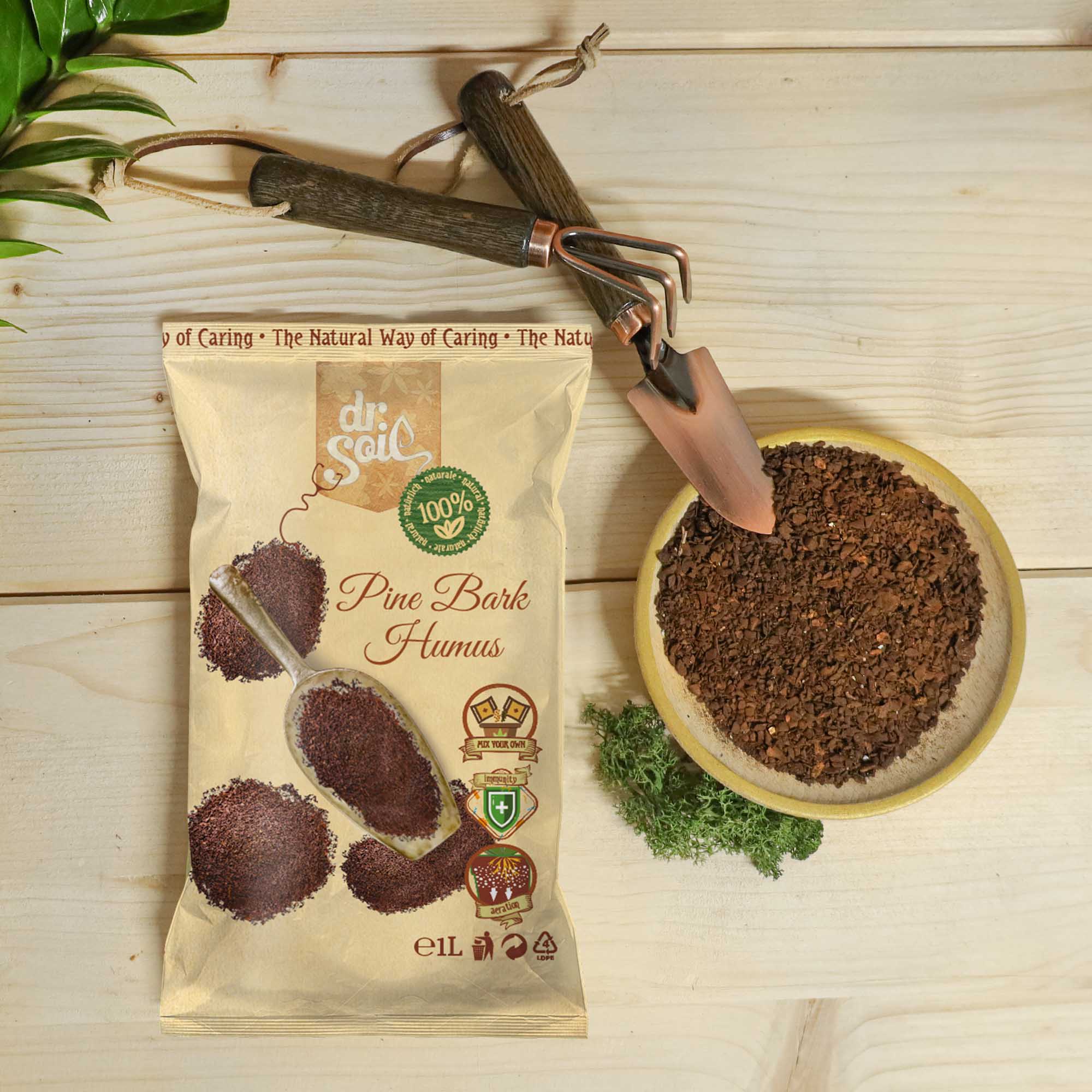
Dr.Soil Pine Bark Humus 1 litre is a high quality product, ideal for improving the health of your garden soil. With optimal water retention, this humus ensures proper hydration of your plants without exposing them to the risk of flooding. Its unique structure promotes excellent air circulation around the roots, essential for healthy plant growth. pH balanced and rich in essential nutrients, Dr.Soil humus creates the perfect environment for your plants resulting in vigorous growth and healthier plants. By purchasing our product, we give you the opportunity to customize your own substrate, adapting it to the specific needs of your plants. Transform your garden into a paradise with Dr.Soil humus and enjoy lush blooms and vibrant colours. Experience the difference that authentic quality makes now!
£4.99
Finely sieved composted maritime pine bark (Pinus pinaster) from the Atlantic forests of Galicia, Spain — a naturally acidic (pH 4.5–5.5), high-organic-matter substrate component that is the most technically sound and ecologically responsible peat substitute available. Cambium-free, sustainably sourced, and ideal for ericaceous plants, blueberries, orchids, and all peat-free substrate blends.
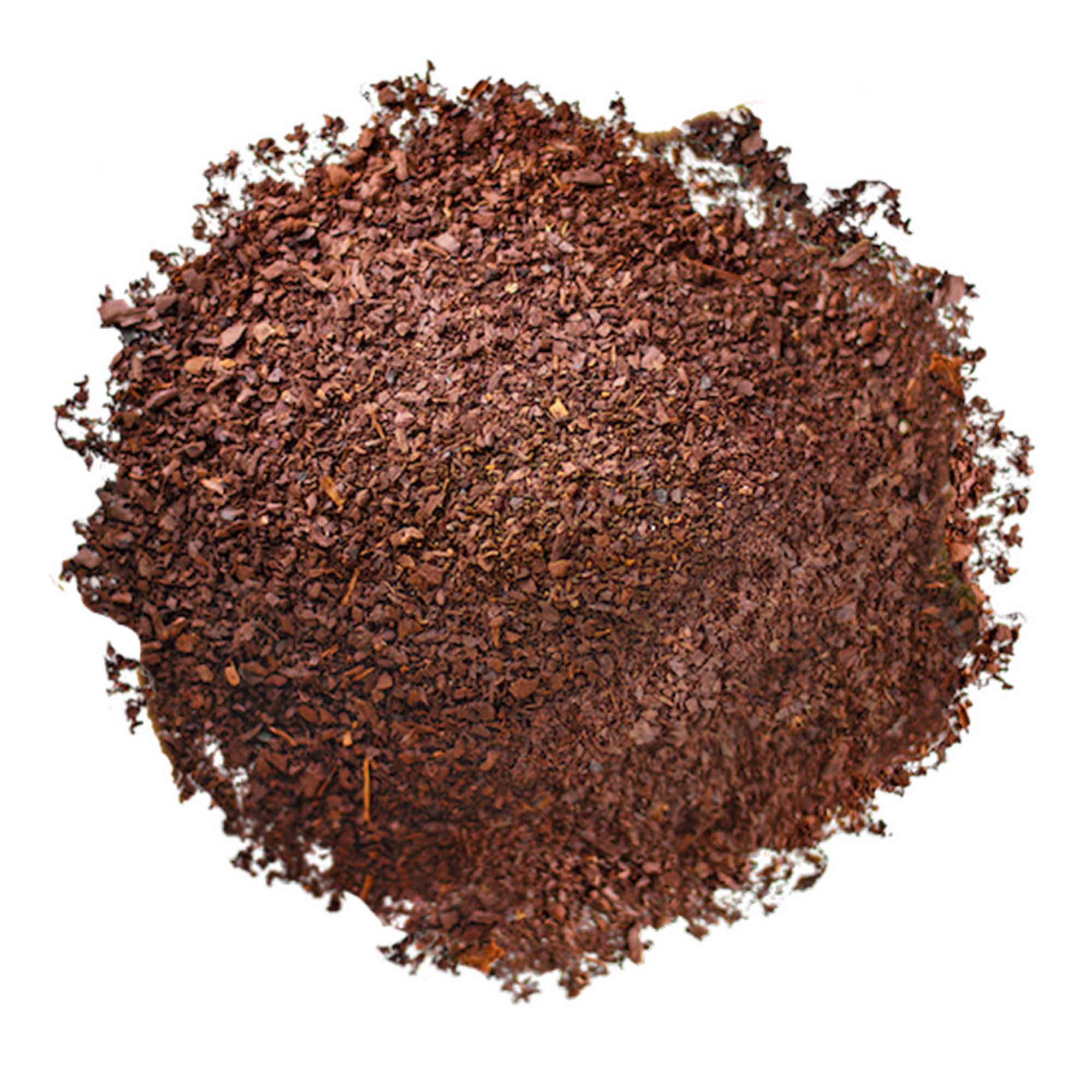
Pinebark humus is the finest fraction of composted maritime pine bark — the outer bark stripped from Pinus pinaster (maritime pine) during timber processing in the Atlantic pine forests of Galicia, northern Spain. The raw bark is processed through a controlled composting cycle that partially breaks down the lignin and cellulose structure of the outer bark, substantially reducing the fresh carbon load that causes nitrogen tie-up in unconditioned bark products. It is then precision-sieved to the 0–3 mm fraction — the fine grade at which the material behaves as a genuine peat substitute rather than a structural bark aggregate.
At 0–3 mm, this fine grade has a fundamentally different character from decorative bark mulch or structural bark chips. It has a high concentration of partially decomposed organic matter, meaningful moisture retention, and a high cation exchange capacity — properties that place it in the same functional category as sphagnum peat moss, making it one of the few genuinely effective peat replacements available to growers who wish to move away from peat without compromising substrate quality.
Galicia, in the northwest corner of Spain, is home to the largest maritime pine plantation in Europe — grown for timber, paper, and resin production. The bark stripped from these trees in the timber process is a renewable by-product that, without specialist processing, would be incinerated as biomass or left as waste. The Atlantic climate of Galicia — cool, wet, and temperate — produces a pine bark with a particular organic matter profile and consistently acidic pH that makes it especially suitable for horticultural use. The cambium layer (the innermost, softest part of the bark) is specifically removed in processing, as this layer is rich in easily available nitrogen compounds that cause nitrogen drawdown when unprocessed bark is used as a substrate.
Dr.Soil Pinebark Humus is designed primarily for situations where an acidic, organic, moisture-retentive growing medium is required — either as a peat replacement in general substrates or as the primary component of specialist ericaceous mixes.
| Application | Rate | Method |
|---|---|---|
| Ericaceous potting mix | 40–60% by volume | Combine with perlite (20–30%) and a small amount of worm castings or slow-release ericaceous fertiliser. Use for rhododendrons, azaleas, camellias, and heathers. The pine bark provides the acid pH and organic structure; perlite provides drainage. |
| Blueberry substrate | 50–70% by volume | Combine with perlite (20–30%) and a small amount of worm castings. The high pine bark proportion ensures the acidic, moisture-retentive, free-draining conditions blueberries require. Ensure pH is in the 4.5–5.5 range before planting. |
| Peat-free general mix | 30–50% by volume | Use as the organic foundation of any peat-free potting mix, combined with structural amendments (perlite, expanded clay) and a nutrient source (worm castings, green compost). Replace up to 50% of the peat in any conventional recipe. |
| Surface mulch on acid beds | 3–5 cm layer | Apply around acid-loving shrubs and trees, keeping clear of stems. Retains moisture, slowly acidifies the soil surface as it decomposes, and suppresses weeds without the nutrient depletion of woodchip mulches. |
| Soil acidification | 10–20% by volume | Work into existing soil around ericaceous plants each autumn to gradually lower pH and improve organic matter content. Allow a full growing season for pH to stabilise before assessing results. |
Important: At rates above 40%, particularly in very high-pine-bark substrates, supplement with a nitrogen source in the first few weeks of use to compensate for any residual nitrogen demand during the ongoing bark maturation process. This is most relevant for containers with high plant density; in garden beds the soil buffer is usually sufficient.
Pinebark humus is most valuable in spring, at potting and planting time, when acid-loving plants begin their main growth flush and need the correct pH environment from the outset. For blueberries, prepare the growing medium in late winter so it is fully settled when planting in March or April. As a surface mulch on acid garden beds, apply in early spring before growth begins, or in autumn to protect roots through winter and begin the acidification of the soil surface in readiness for the following growing season. For soil acidification, incorporate in autumn and allow a full season for the pH to adjust before introducing sensitive ericaceous species.
Store in the original sealed bag in a cool, shaded, dry location. Pinebark humus is a stable organic material that will not degrade rapidly in storage, but should not be stored waterlogged as this can lead to anaerobic conditions and odour development. Keep the bag sealed between uses. Use within one to two years for best organic matter content and biological activity.
Pinebark humus has a clean, fresh, woody smell with a mild resinous note from the pine tannins. It is non-toxic, non-allergenic in normal use, and presents no health hazard in normal horticultural handling.
Dr.Soil Pinebark Humus — Fine Grade 0–3 mm · Net volume: 1 litre · Origin: Galicia, Spain — Atlantic maritime pine (Pinus pinaster) · pH: 4.5–5.5 (naturally acidic) · Cambium-free · Sustainably sourced · Peat-free