£4.99
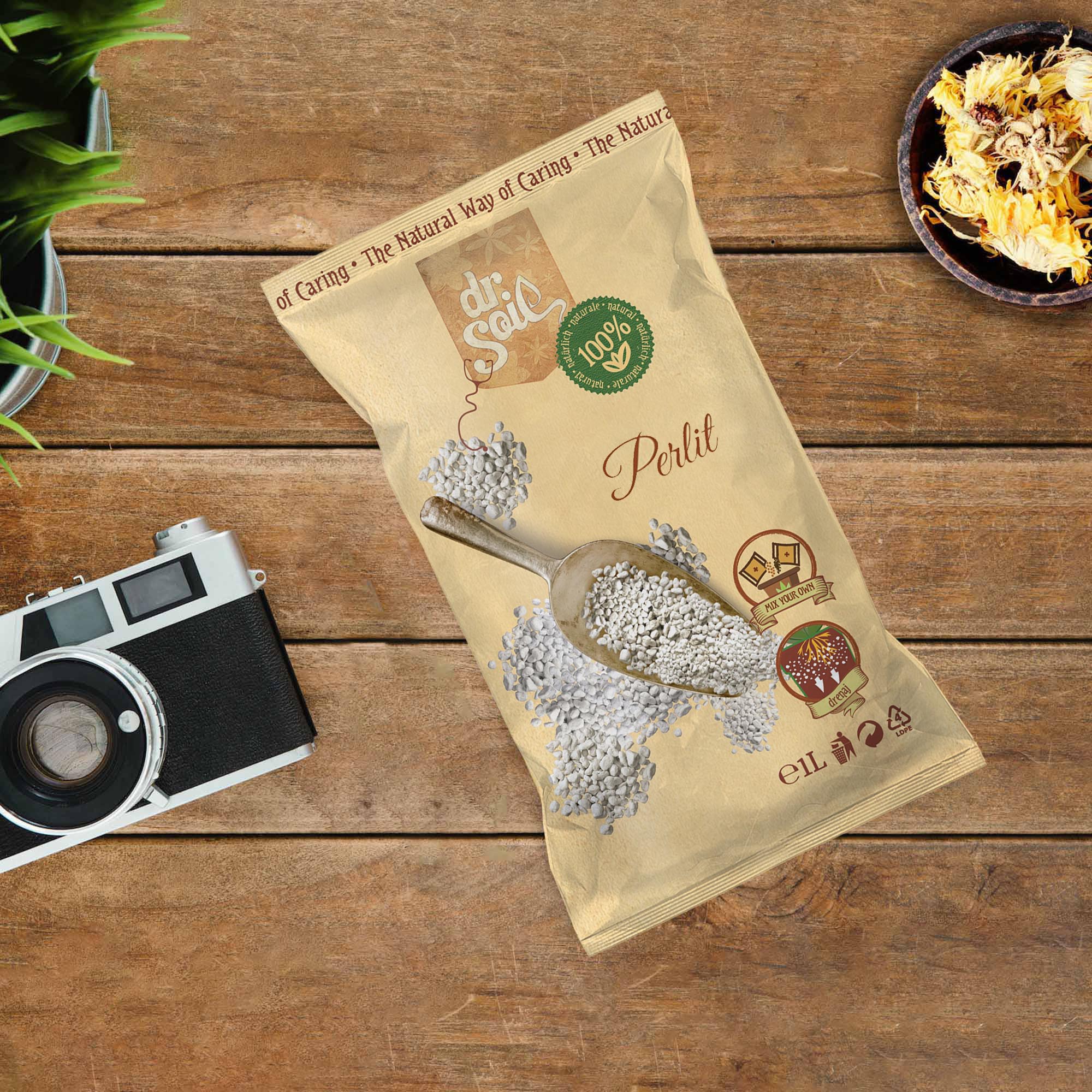
Premium coarse-grade horticultural perlite from volcanic glass deposits in Gaziantep, Turkey — expanded at approximately 870°C to produce an ultra-lightweight, sterile, pH-neutral aggregate with over 90% total porosity and approximately 60% aeration porosity. The most widely used horticultural drainage and aeration amendment in professional growing, approved for organic production.
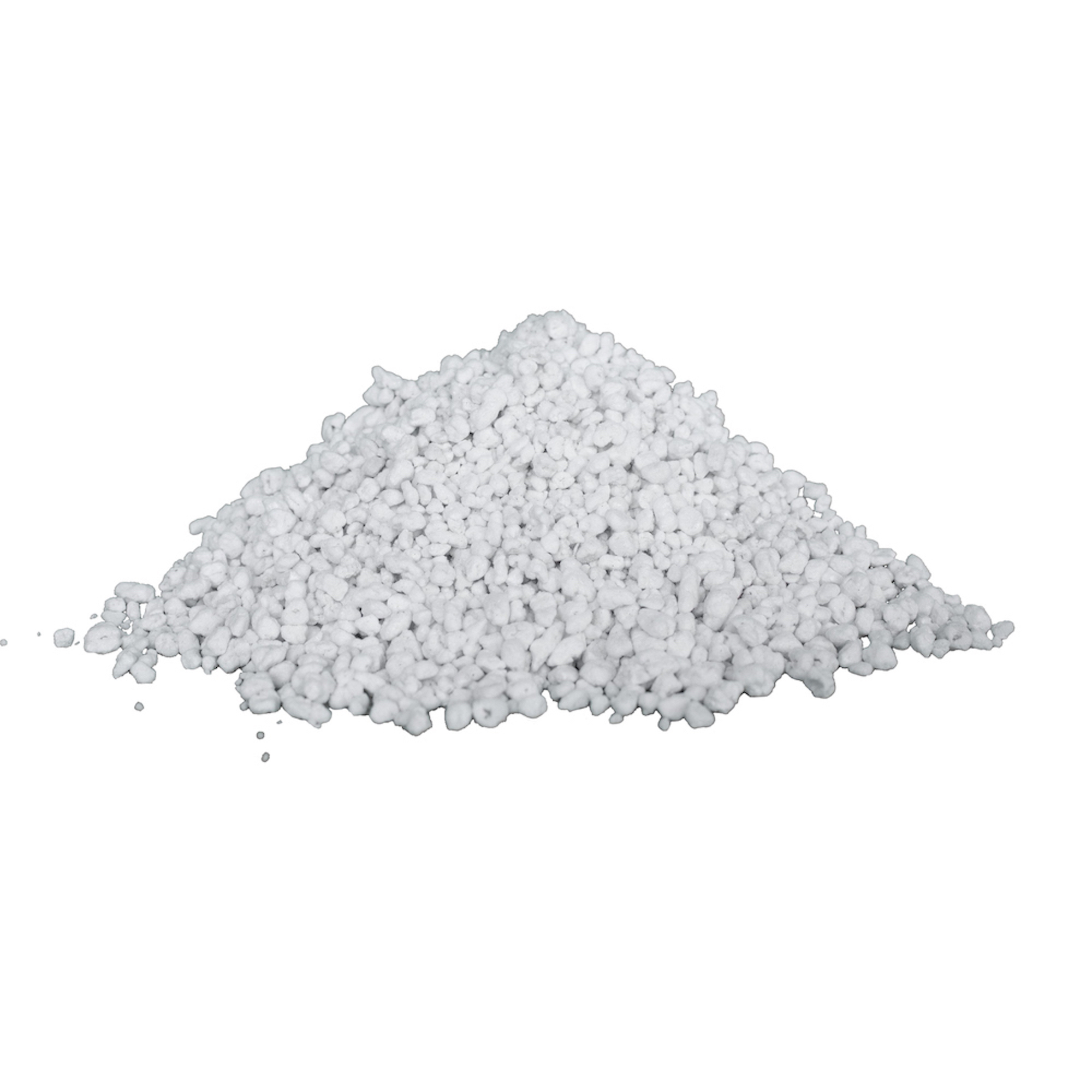
Perlite is produced from amorphous volcanic glass (obsidian) that forms when silica-rich lava cools rapidly. When this volcanic glass ore is heated to approximately 870°C, the small amount of water trapped within the glass vaporises and expands the material up to 20 times its original volume — producing the familiar white, ultra-lightweight, highly porous material that is one of the most used substrates in professional horticulture worldwide.
The expanded perlite granule has three distinct structural properties that together account for its horticultural value. The external surface is irregular and charged, providing a modest cation exchange capacity and moisture-retentive surface film. The internal pore structure holds water by capillary action, providing a reservoir of moisture that roots can access between waterings. The inter-granule air spaces in a perlite-containing mix remain open even after watering, maintaining the oxygen availability in the root zone that prevents anaerobic conditions and root rot. It is this combination — simultaneous moisture retention and air retention — that makes perlite irreplaceable in propagation media, potting mixes, and hydroponic systems.
Perlite is graded by particle size. Grade 6 (2–7 mm) is the coarse horticultural standard, widely used in professional growing operations. Finer grades have more surface area and retain more moisture but provide less aeration; coarser grades provide more aeration but less structure. Grade 6 is the optimal compromise: sufficient surface area for meaningful moisture retention alongside the inter-particle air spaces required for oxygen delivery to roots. Total porosity exceeds 90%, with approximately 60% of that as aeration porosity — the highest of any commonly available horticultural aggregate.
Dr.Soil Horticultural Perlite Grade 6 is designed as the universal drainage and aeration amendment for professional and home growing alike — the single ingredient that, when added to any potting mix or propagation medium, most reliably prevents the oxygen deprivation in the root zone that leads to root rot and poor plant performance.
Dampen perlite lightly before mixing to reduce airborne dust. Handle in a well-ventilated area; perlite dust is a mechanical irritant to the respiratory tract, a standard precaution for all mineral dusts. The product itself is not toxic.
| Application | Rate | Method |
|---|---|---|
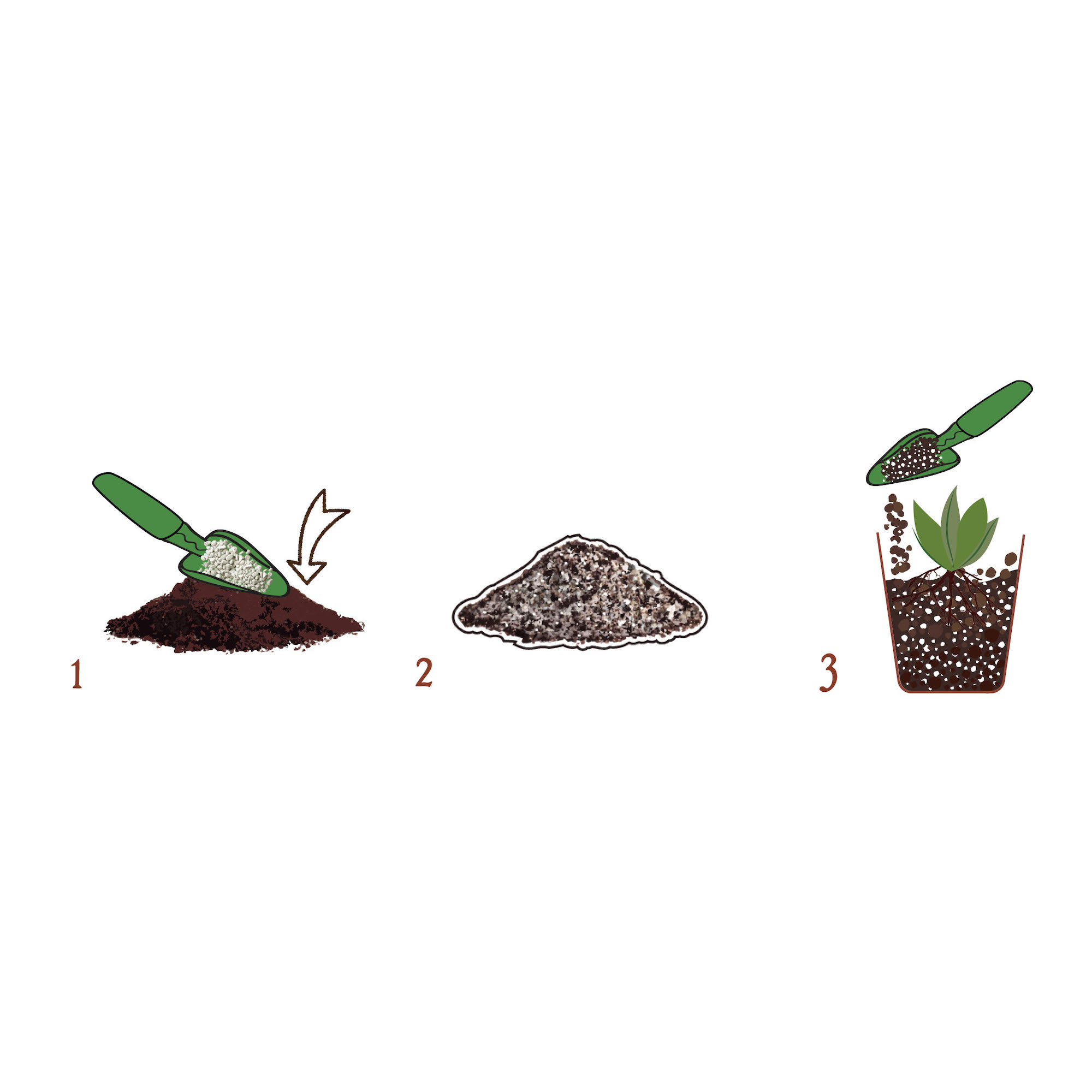
| General potting mix | 10–30% by volume | Blend evenly with compost, coir, or other base medium before potting. Higher rates for plants needing sharp drainage; lower rates for moisture-loving species. The single most impactful improvement to any peat-free mix. |
| Seed and cutting propagation | 30–100% | Use pure or mixed 50:50 with fine coir or vermiculite. Pure perlite is ideal for cuttings that need maximum aeration; the coir or vermiculite blend retains more moisture for seeds and moisture-sensitive cuttings. |
| Hydroponics | Fill container | Rinse thoroughly before use to remove fine particles. Fill the growing container and feed with a balanced nutrient solution at appropriate concentration for the crop. |
| Succulent and cactus mix | 40–60% by volume | Combine with a small amount of compost or worm castings (15–20%) to supply nutrition. The high perlite proportion ensures the rapid drainage that prevents root rot in these species. |
| Lawn topdressing | Broadcast and brush in | Apply immediately after core aeration. Broadcast lightly over the turf and brush into the aeration holes to create permanent drainage channels. Water in lightly. Best applied in spring or early autumn. |
| Rooftop containers | 25–50% by volume | Use at higher rates to minimise total container weight. Combine with lightweight organic components such as coir and composted bark rather than heavy garden soil or clay-based composts. |
Perlite is a year-round amendment with no seasonal dependency. It is most useful at potting or repotting — when it can be properly incorporated into the growing medium before the root system is established. For propagation, prepare your seed-sowing and cutting mixes in late winter, ready for the main season beginning in February. For lawn topdressing, apply immediately after core aeration in spring or early autumn when the grass is actively growing and will fill in the aeration holes quickly.
Store in the original sealed bag in a dry location. Perlite is completely stable in storage — it will not degrade, absorb moisture harmfully, or change its properties over time. Keep the bag sealed between uses to minimise dust generation.
When working with perlite in quantity, dampen lightly before use and work in a ventilated space. Perlite dust is a mechanical lung irritant at high concentrations; standard dust precautions apply. The product itself contains no toxic compounds and is approved for use with edible crops in organic systems.
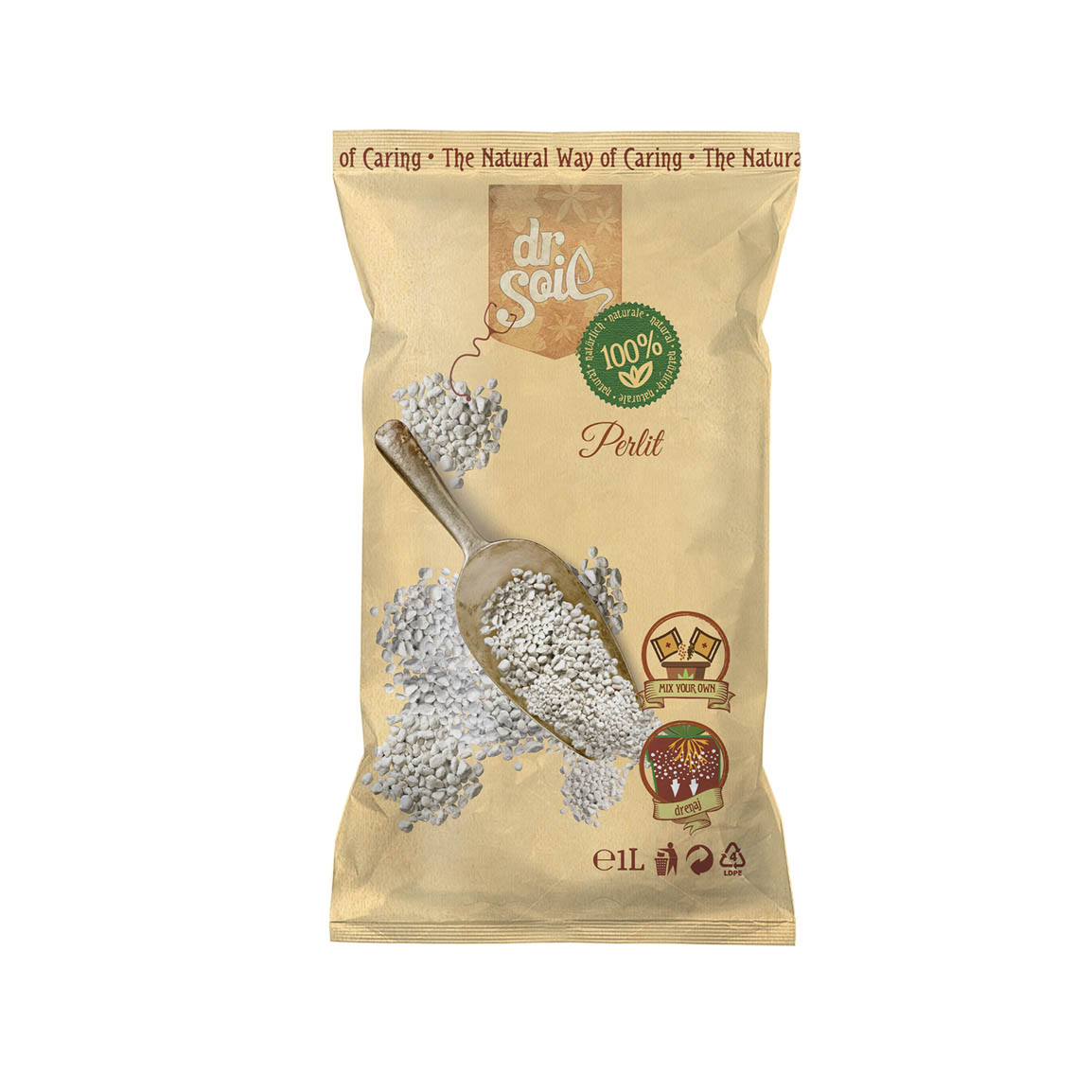
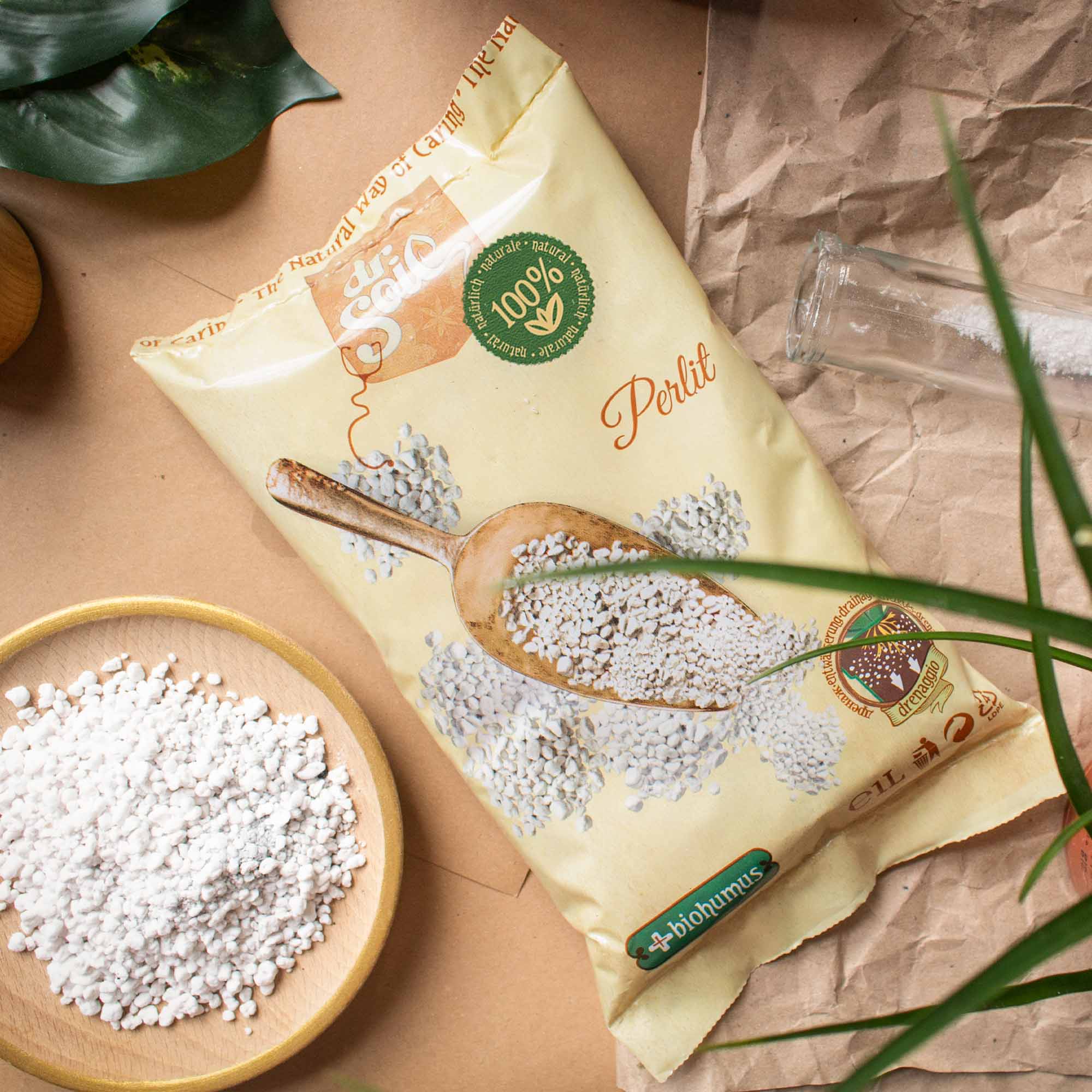
Dr.Soil Horticultural Perlite — Grade 6 (EPT-T2) · Net volume: 1 litre · Particle size: 2–7 mm · Total porosity: >90% · Aeration porosity: ~60% · pH: 6.5–7.5 (neutral) · Origin: Gaziantep region, Turkey · Sterile · Approved for organic production