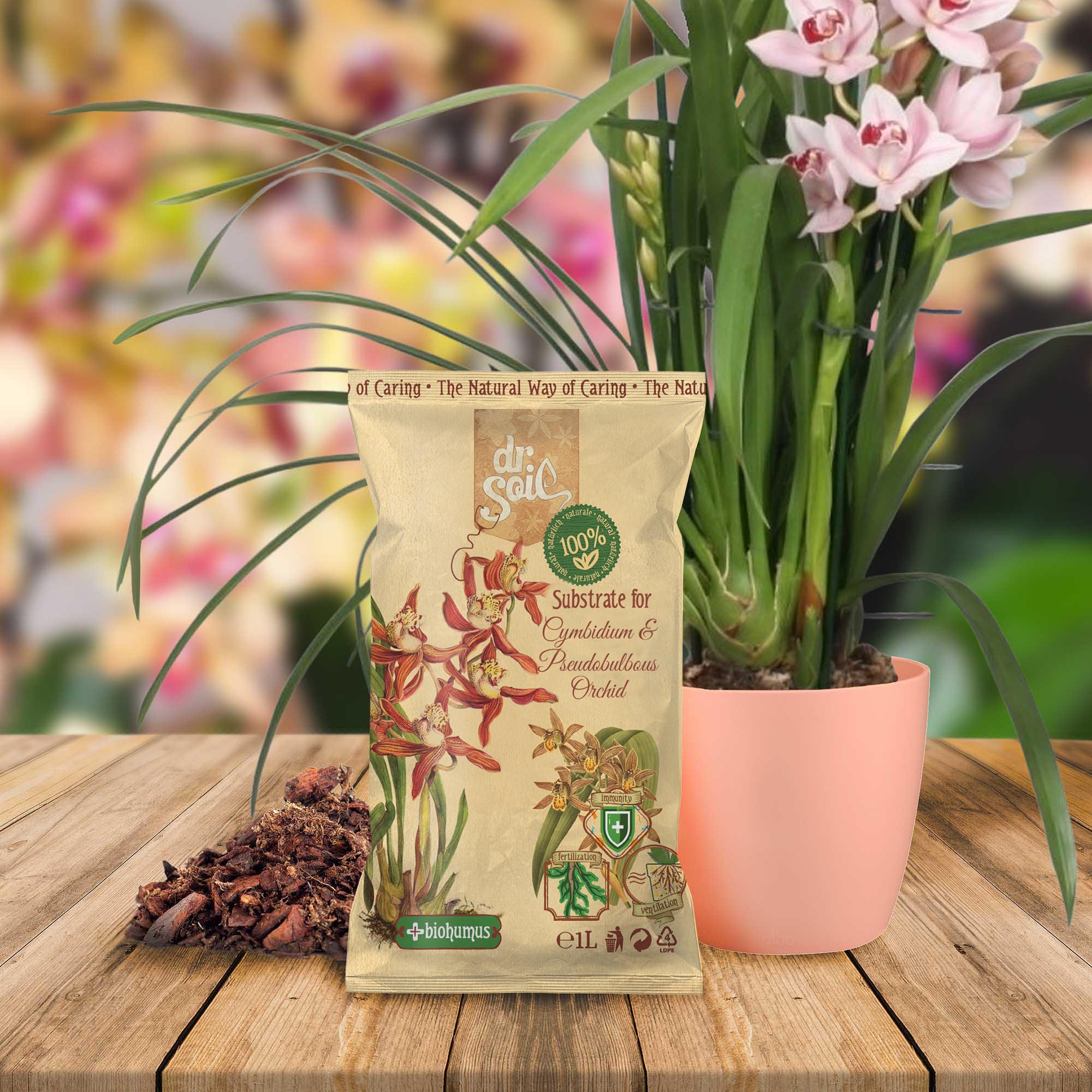
£5.49
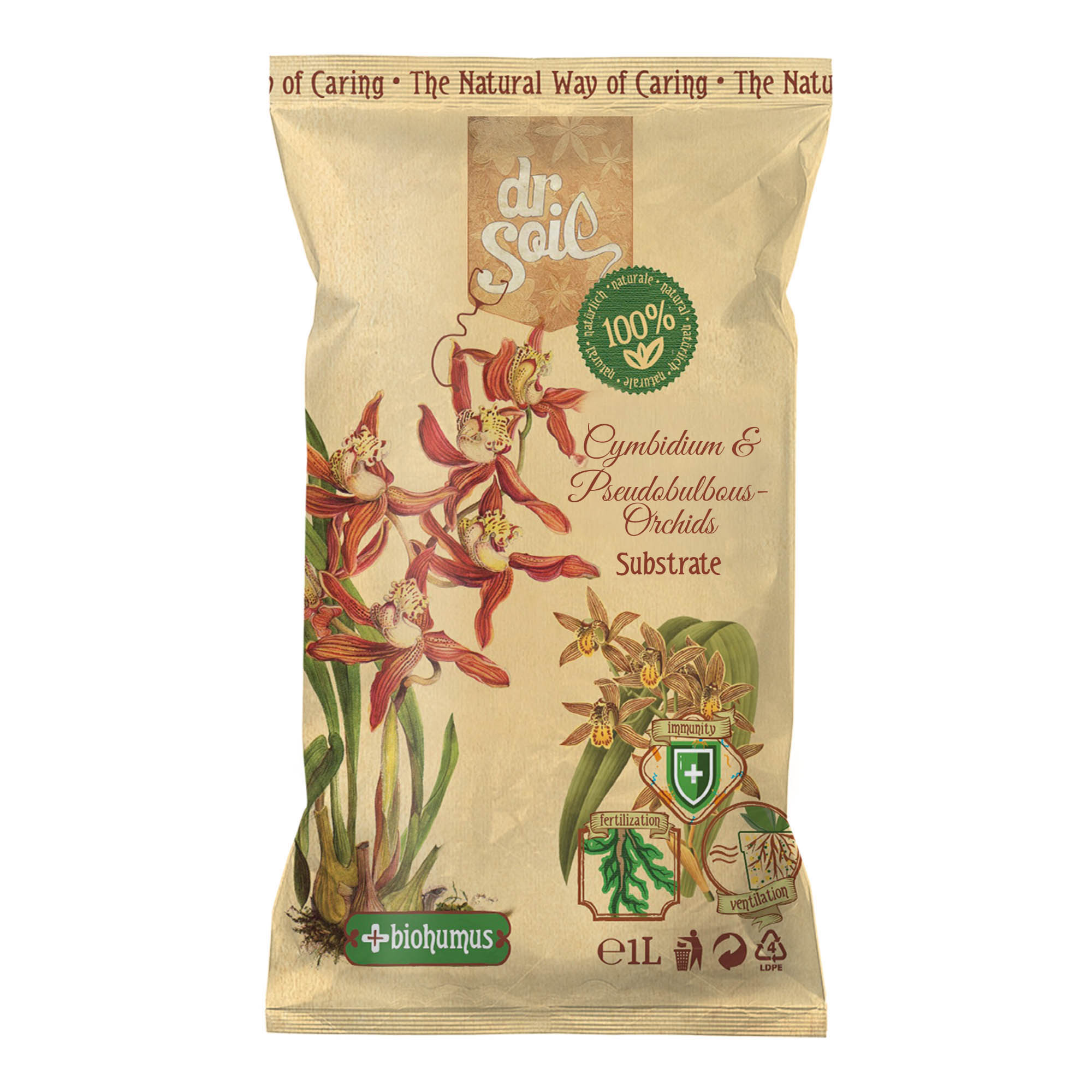
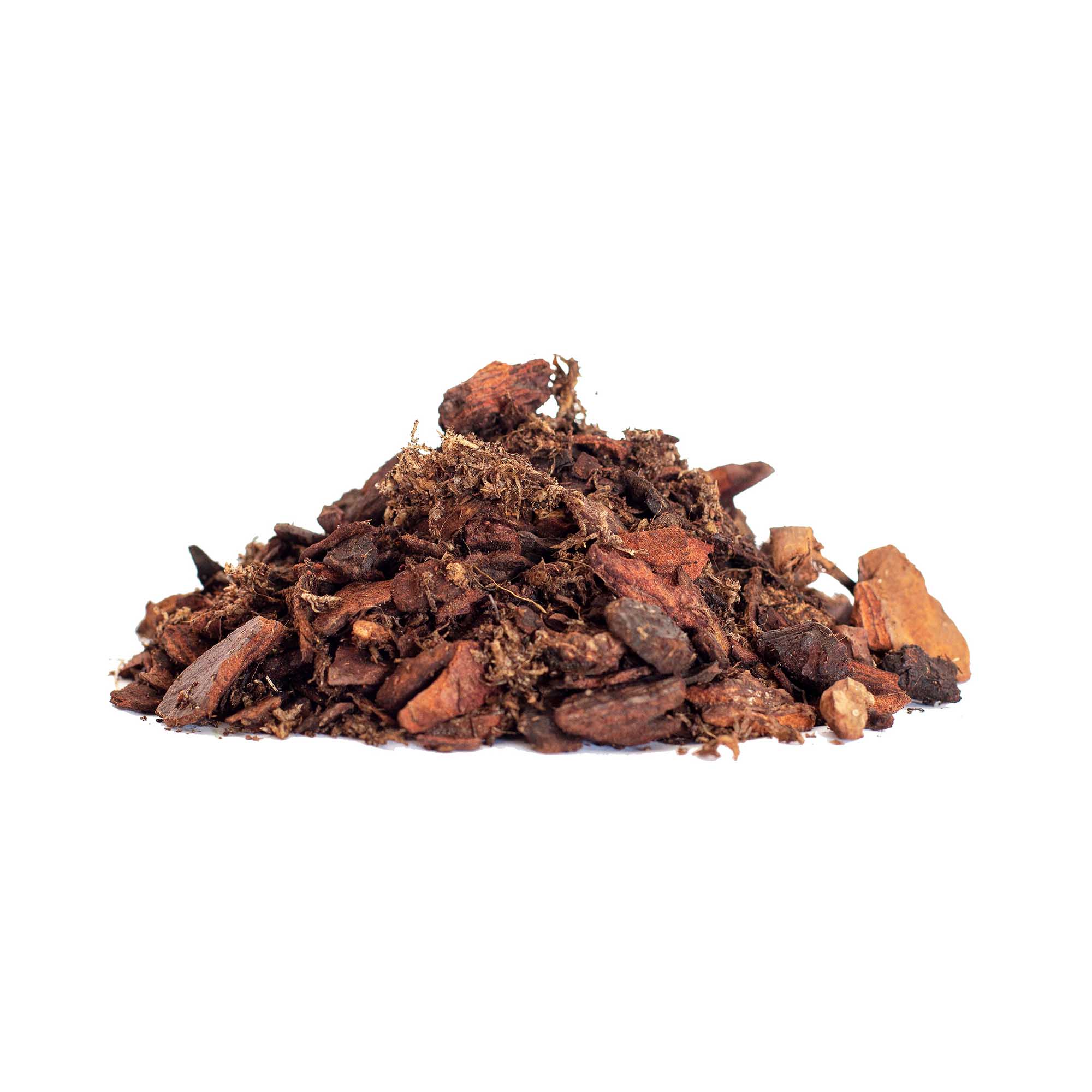
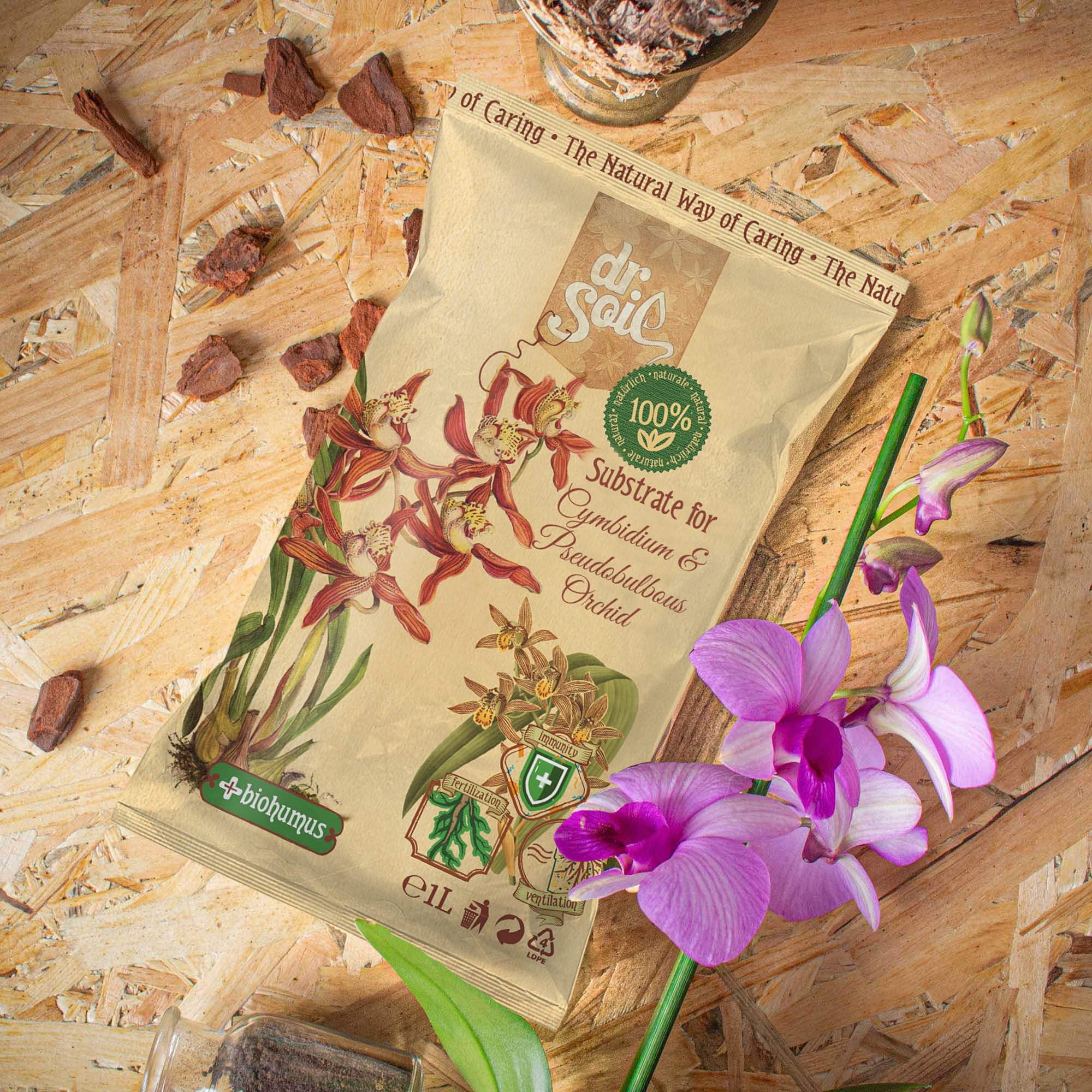
A specialist pre-fertilised growing medium formulated for Cymbidium and all pseudo-bulbous orchid genera — combining medium-grade Mediterranean pine bark, coconut coir, Chilean sphagnum moss, and worm castings to provide the maximum root aeration, sustained moisture reserve, natural nutrition, and disease resistance that large, vigorous, pseudo-bulb-forming orchids require. Pre-fertilised for up to 6 months. pH 6.7.
Cymbidium and pseudo-bulbous orchids are vigorous, large-growing plants with robust root systems and significant seasonal moisture demands — fundamentally different from the more delicate, fine-rooted Phalaenopsis. Their substrate requires the same excellent aeration as any epiphytic orchid substrate, but with a greater moisture reserve to support the larger root mass and active growth of pseudo-bulbs. This formulation achieves both through four components:
Dr.Soil Cymbidium & Pseudo-Bulbous Orchids Substrate is formulated for all Cymbidium species and hybrids, and for all pseudo-bulb-forming orchid genera: Miltonia, Oncidium, Masdevallia, Coelogyne, Cattleya, Dendrobium, Lycaste, Pleione, Zygopetalum, and all other orchids that form pseudo-bulbs as their primary water and nutrient storage organs.
Pseudo-bulbous orchids are a functionally distinct group from fine-rooted epiphytes like Phalaenopsis. The pseudo-bulb — a swollen stem base that stores water and carbohydrates — is the plant’s primary buffer against environmental variability. When the substrate provides adequate moisture and nutrition, the pseudo-bulbs fill out and harden; when the substrate fails, pseudo-bulbs shrivel, and the plant’s reserves are spent on survival rather than growth and flowering. This biology creates specific substrate requirements:
The medium pine bark provides the structural aeration that all epiphytic orchid roots require. The coir provides continuous moisture buffering without compaction risk. The Chilean sphagnum provides the sustained, high-capacity moisture reserve that Cymbidium’s vigorous growth demands. The worm castings supply the biologically active nutrition and immunity support that sustains the plant through a full productive season. Together they create an environment optimised for the vigorous, large-scale root and pseudo-bulb development that defines successful Cymbidium and pseudo-bulbous orchid cultivation.
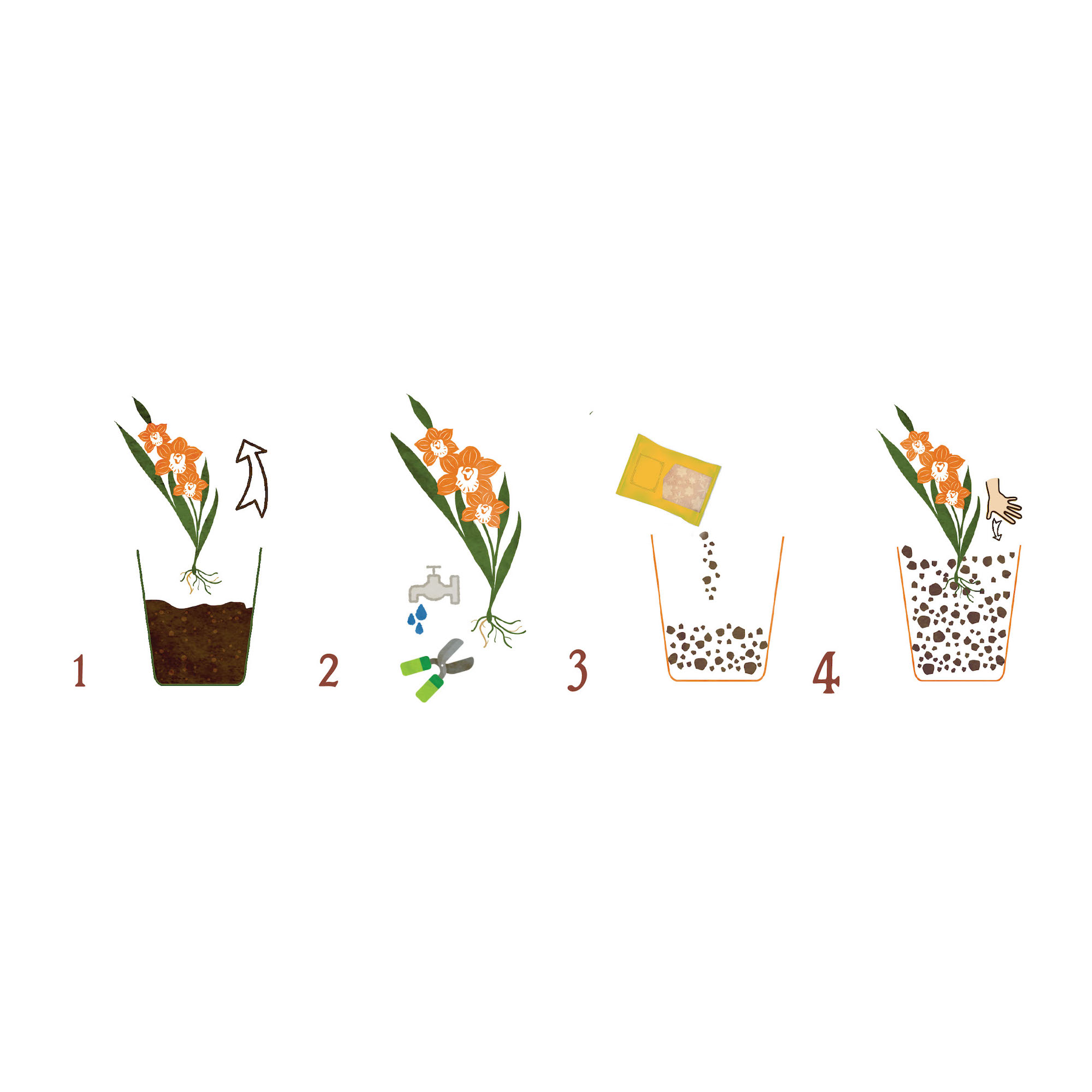
| Step | Action |
|---|---|
| 1. Choose the container | Select a pot appropriate to the size of the root mass — Cymbidium and pseudo-bulbous orchids typically prefer being slightly root-bound rather than over-potted, which can lead to excessive moisture retention. A pot with multiple drainage holes or side slits is ideal. Clay or terracotta pots are beneficial for these species as they allow moisture exchange through the pot wall. |
| 2. Prepare the plant | Remove the plant from its existing container and remove all traces of old substrate from the roots. Cut away any dead, brown, or mushy roots cleanly with sterile scissors or a blade. Remove any dead or yellowed leaves. Allow root cuts to dry for 30–60 minutes to callus over before repotting. |
| 3. Divide if required | If the plant has multiple pseudo-bulbs and you wish to divide it, this is the ideal moment. Each division should retain a minimum of 3–4 pseudo-bulbs to ensure it has sufficient reserves to establish and flower. Dust cut surfaces with sulphur powder or allow to dry completely before planting. |
| 4. Fill and plant | Add a base layer of substrate to maintain the plant at the same depth. Position the plant with the oldest pseudo-bulbs towards the edge of the pot and the newest growth facing the centre, to allow maximum space for new growth. Fill around the root mass with substrate, pressing gently and evenly. |
| 5. First 7 days — do not water | Do not water for the first 7 days after repotting. This rest period allows the substrate to settle and the roots to begin adapting to the new environment. Any root damage from the repotting process will callus over during this period. |
| 6. Resume normal care | After 7 days, water thoroughly and allow to drain fully. Water again when the surface of the substrate feels dry. During active growth, water more frequently; during winter rest, reduce watering significantly. No fertilisation required for 6 months. |
After flowering, in late winter or spring, is the optimal repotting moment for Cymbidium. Most Cymbidium flower in late winter to early spring; immediately after the flower spikes have been removed, the plant enters a vegetative growth phase during which repotting is best tolerated and new root growth is most vigorous. Repotting at this moment gives the plant the full growing season ahead to establish in fresh substrate.
Every 2–3 years as routine maintenance. The bark component of this substrate decomposes gradually, losing its open structure and aeration properties over time. Repotting on a 2–3 year cycle ensures the root environment remains optimally aerated regardless of the plant’s apparent health.
When pseudo-bulbs are shrivelling despite adequate watering — this is the most reliable indicator of substrate failure. Shrivelled pseudo-bulbs in a regularly watered plant indicate that the substrate has broken down or compacted to the point where it no longer holds or releases moisture effectively, or where the root system has been damaged by the deteriorated substrate environment.
When the plant is heavily root-bound — Cymbidium are among the most vigorous orchid genera and fill their containers with roots relatively quickly. When the root mass begins to push the plant out of the pot or roots are escaping from all drainage holes, repotting into a slightly larger container with fresh substrate will renew growth vigour and flowering performance.
Dr.Soil Cymbidium & Pseudo-Bulbous Orchids Substrate · Net volume: 1 litre · Pre-fertilised for up to 6 months · Ready-to-use · Composition: Mediterranean pine bark 8–25 mm, coconut coir, Chilean sphagnum moss, worm castings (vermicompost) · pH 6.7 · No synthetic fertilisers · No chemical additives