£5.49
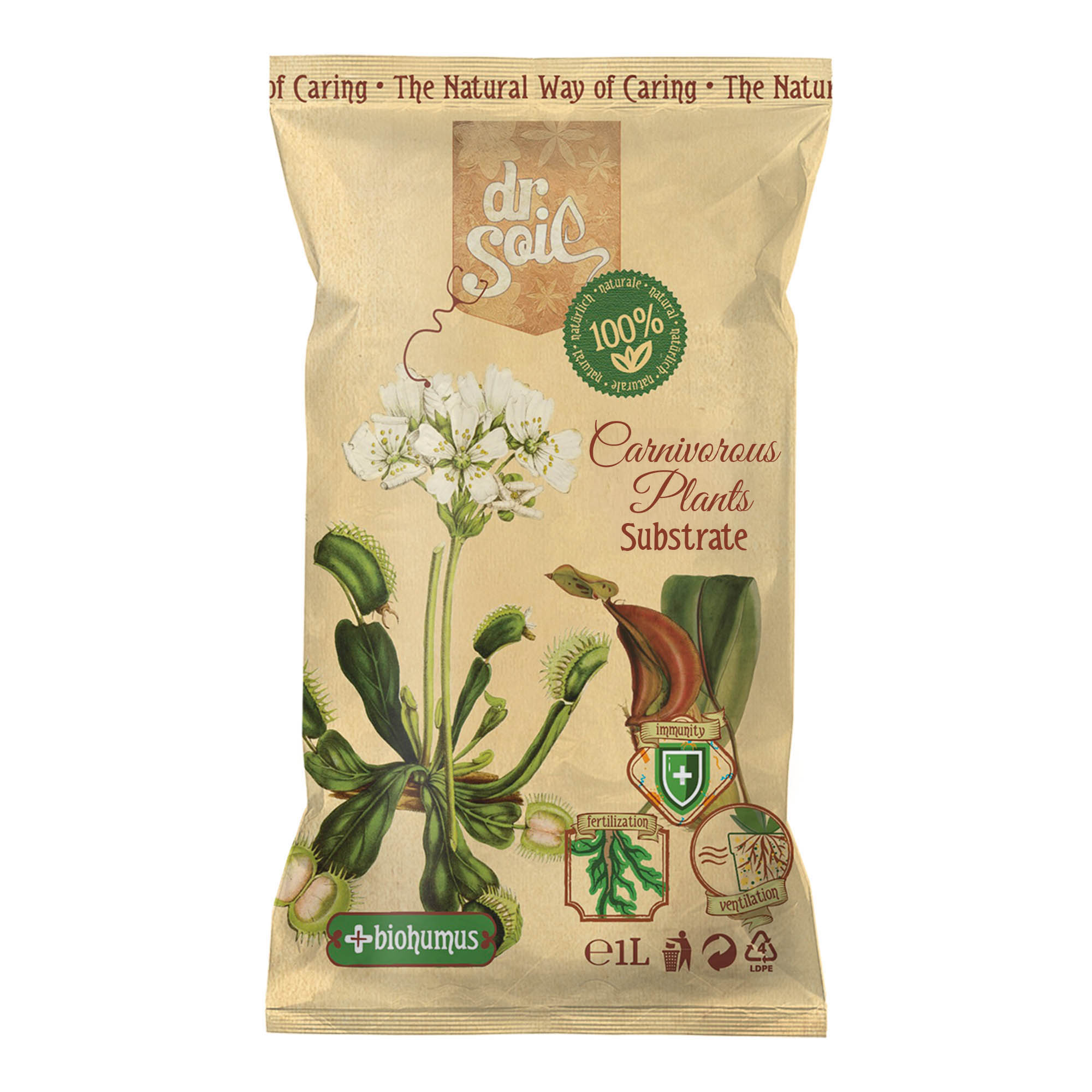
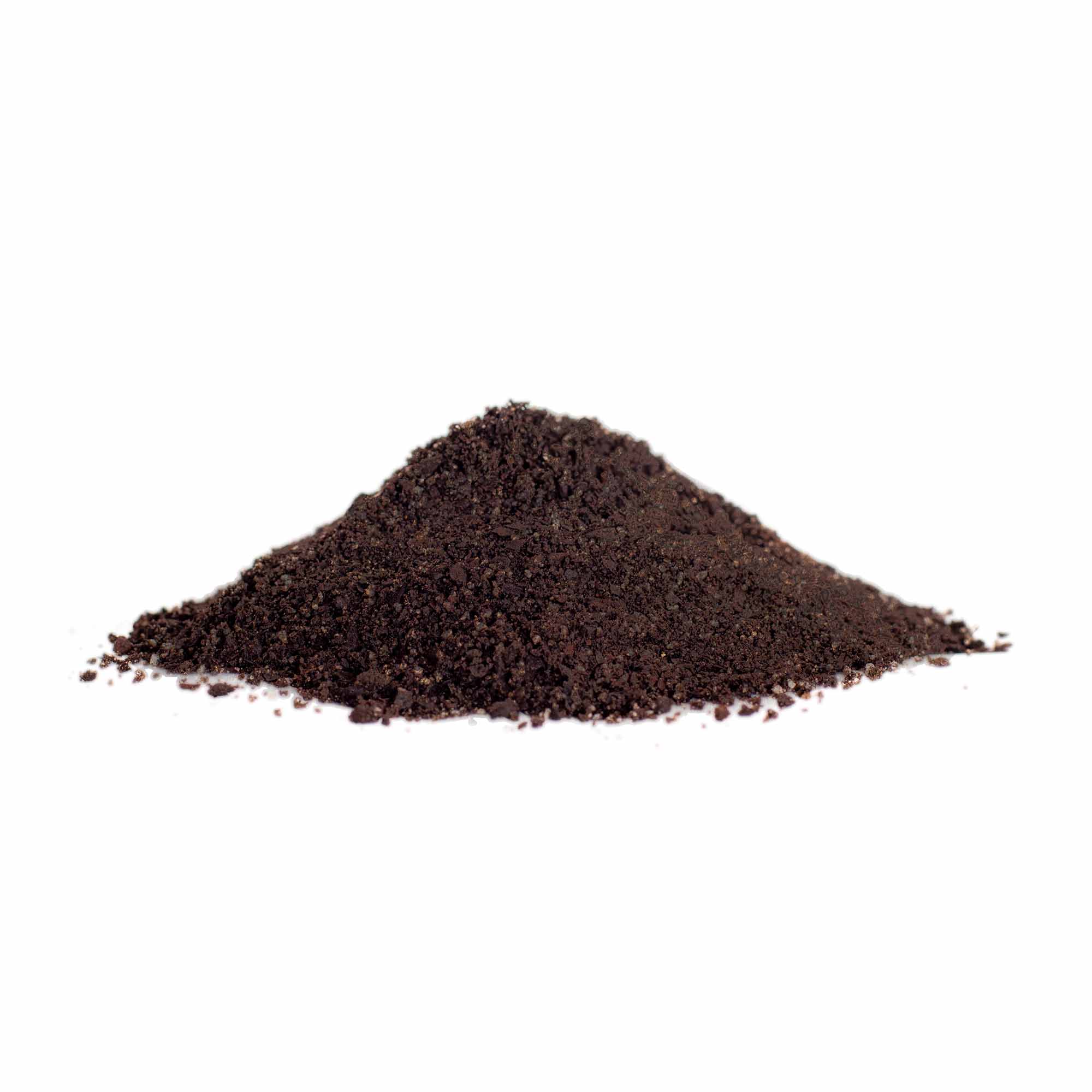
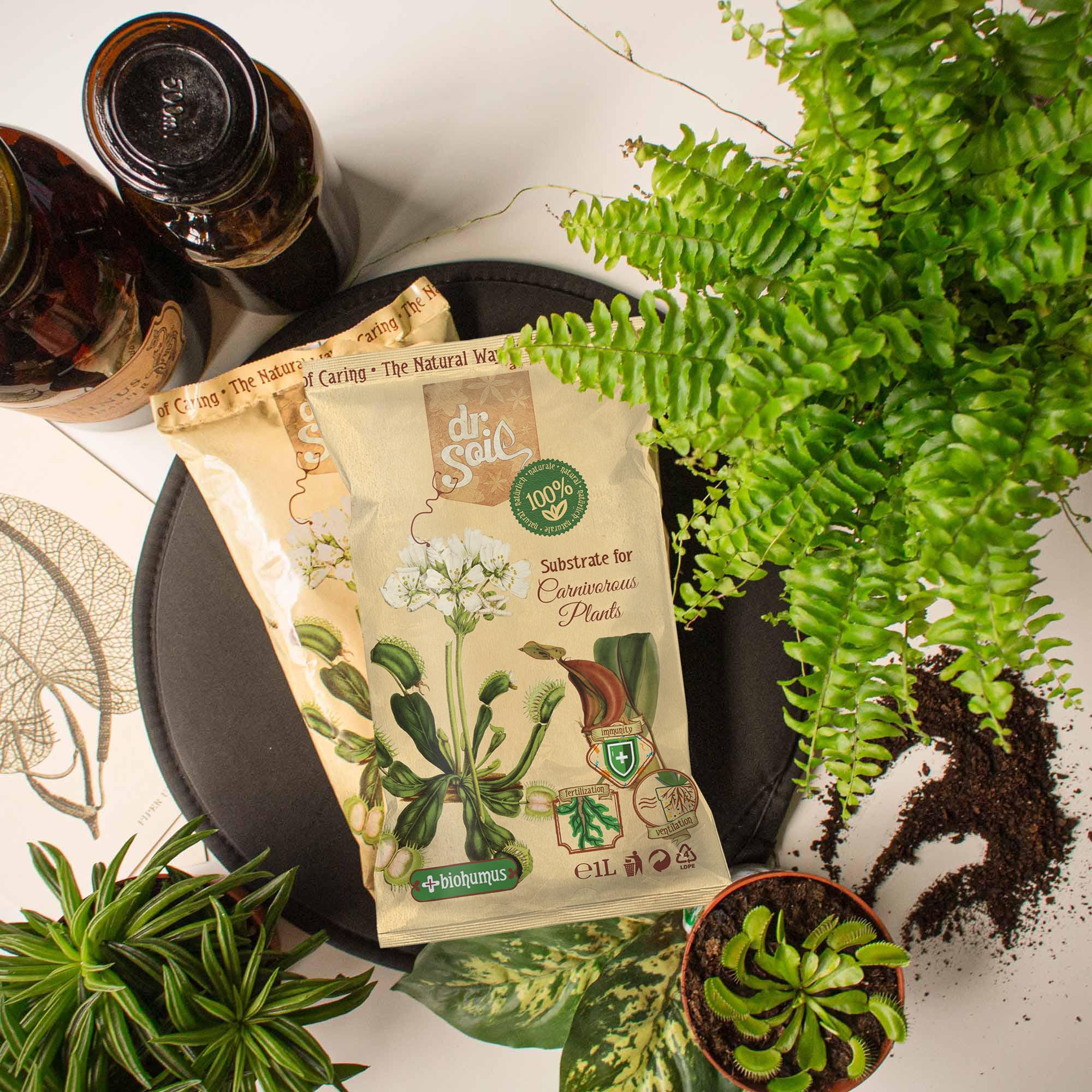
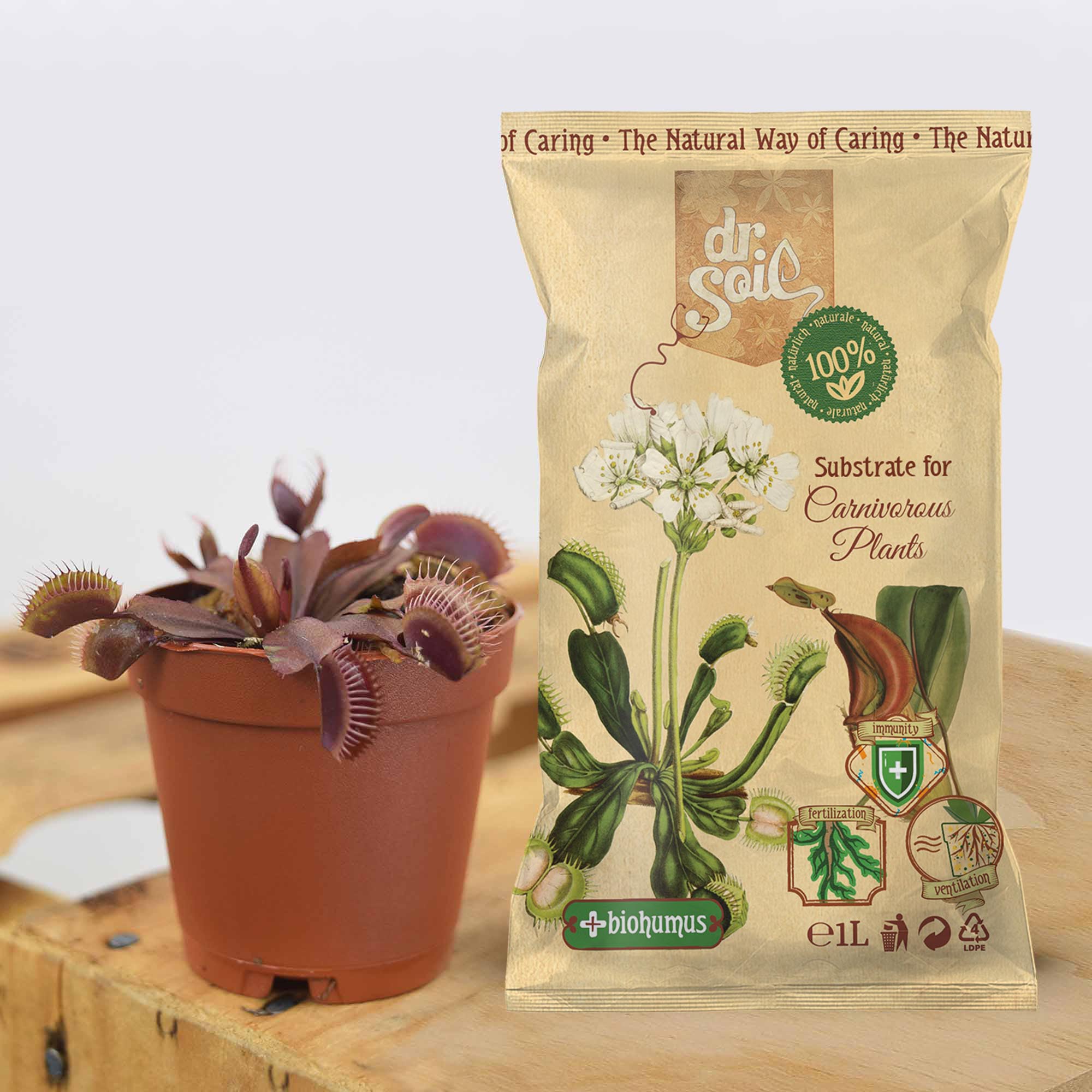
A specialist pre-fertilised growing medium formulated for all carnivorous plants — combining peat, worm castings, a minimum of 30% Mediterranean pine bark humus, and green vegetable compost into a substrate that provides the precise low-mineral, consistently moist, well-structured environment that carnivorous plants require. Pre-fertilised for up to 6 months with natural organic nutrition at exactly the level these plants need — no more, no less.
Carnivorous plants are among the most chemically sensitive plants in the world — growing in environments with extremely low mineral content, they have evolved to obtain nutrients through prey capture rather than root absorption. Every ingredient in this substrate has been chosen for its chemical purity and ability to create a low-mineral, appropriately acidic, moisture-retentive environment:
Dr.Soil Carnivorous Plants Substrate is formulated for all types of carnivorous plants grown in containers: Venus flytrap (Dionaea muscipula), pitcher plants (Sarracenia spp.), tropical pitcher plants (Nepenthes spp.), sundews (Drosera spp.), butterworts (Pinguicula spp.), and all other carnivorous species.
Carnivorous plants are native to bogs, fens, and other nutrient-poor, waterlogged habitats around the world. They have evolved in conditions of extreme mineral poverty — low in nitrogen, phosphorus, calcium, and most other plant nutrients — and have developed the ability to capture and digest insects and other prey to supplement their mineral intake. Growing them in conventional potting compost is almost invariably fatal:
The peat provides the moisture retention and acidic pH that replicates the natural bog environment. The high pine bark fraction (minimum 30%) creates the drainage channels that prevent root stagnation and contributes additional acidity. The worm castings provide precisely calibrated gentle nutrition — enough to support vigorous growth and immunity, not enough to trigger the over-fertilisation response. The green compost maintains biological diversity and humic structure without mineral overloading. Together, they replicate the conditions of a productive carnivorous plant habitat in a convenient, ready-to-use 1-litre bag.
Important note on watering: Carnivorous plants must always be watered with mineral-free water — rainwater, distilled water, or reverse osmosis water. Tap water contains calcium and other minerals that accumulate in the substrate and cause progressive decline even in the best substrate. No substrate can compensate for incorrect water quality.
| Step | Action |
|---|---|
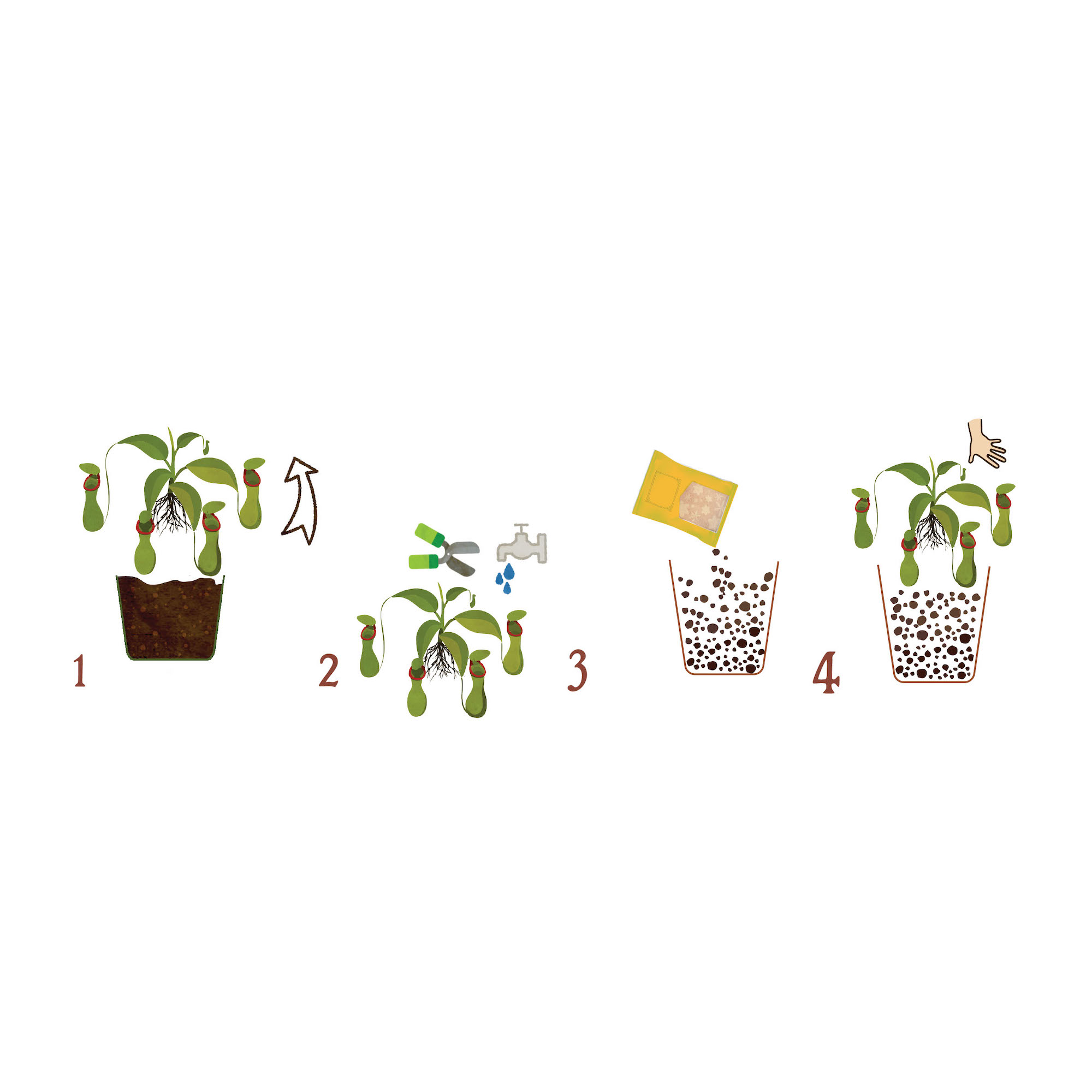
| 1. Choose the container | Select a pot with drainage holes. For the tray method (recommended for most Sarracenia and Drosera), choose a plain plastic pot without drainage holes or place the pot in a shallow tray. Ceramic, terracotta, or glazed pots may leach minerals — plain plastic is preferred. |
| 2. Add a base layer | Place a few small stones or clean grit at the base of the pot to improve drainage. For the tray method, this layer is particularly important to prevent the substrate from becoming waterlogged at the base. |
| 3. Fill and plant | Add a layer of substrate and prepare a planting hole. Remove the plant from its original container, gently remove any old substrate from the roots, and place in the new pot. Fill around the root ball and press gently and evenly. |
| 4. Water in | Water gently with rainwater or distilled water immediately after potting. Never use tap water. |
| 5. Ongoing care | Keep the substrate consistently moist using the tray method (1–2 cm of water in the tray) for Sarracenia and Drosera, or water from above for Nepenthes and Pinguicula. No fertilisation is required for 6 months. |
Spring is the optimal repotting season for most carnivorous plants — as the plant emerges from winter dormancy and begins active growth, fresh substrate provides the biological stimulation and nutritional support to maximise growth through the season.
When plants show signs of substrate exhaustion — compacted substrate, yellowing of lower leaves despite correct watering and light, or reduced trap production are all indicators that the substrate has become depleted and the plant should be repotted.
Every 1–2 years as routine maintenance. Peat-based carnivorous plant substrates gradually acidify, compact, and lose their structure over time. Repotting into fresh substrate every one to two growing seasons is the single most effective maintenance step for long-term plant health.
Dr.Soil Carnivorous Plants Substrate · Net volume: 1 litre · Pre-fertilised for up to 6 months · Ready-to-use · Composition: peat, worm castings, Mediterranean pine bark humus (min. 30%), green vegetable compost, organic matter · Low-mineral formulation · No synthetic fertilisers · Use with mineral-free water only