£5.49
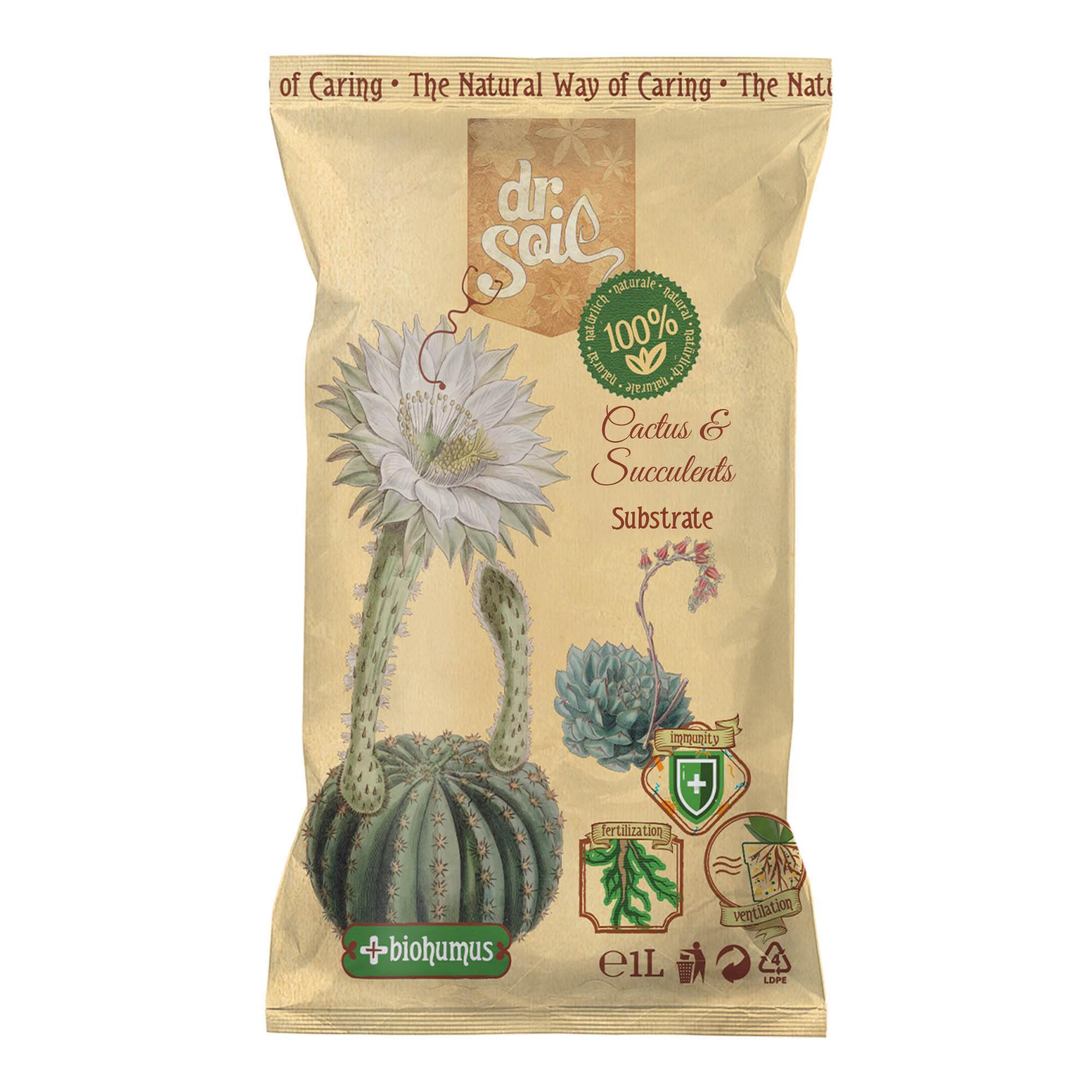
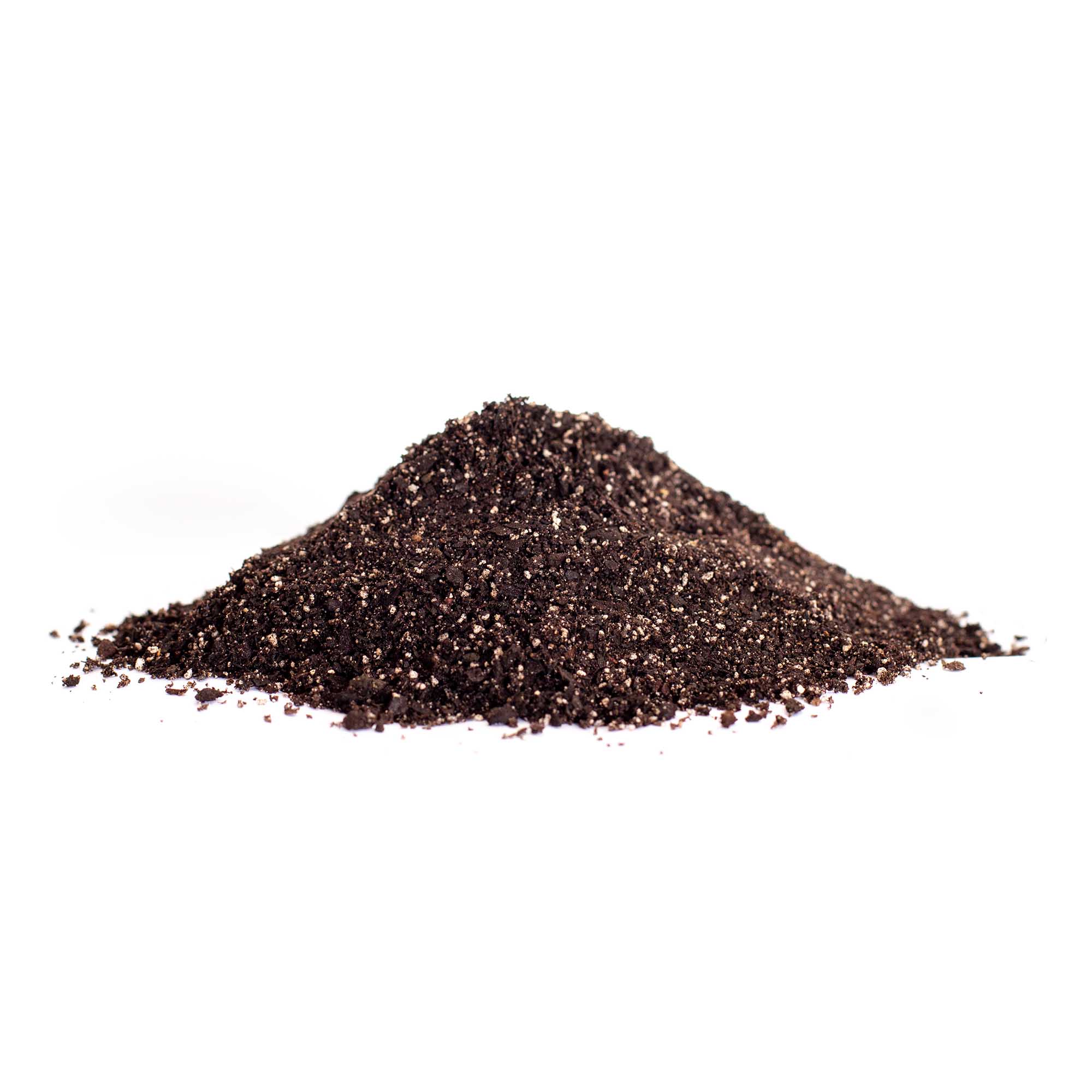
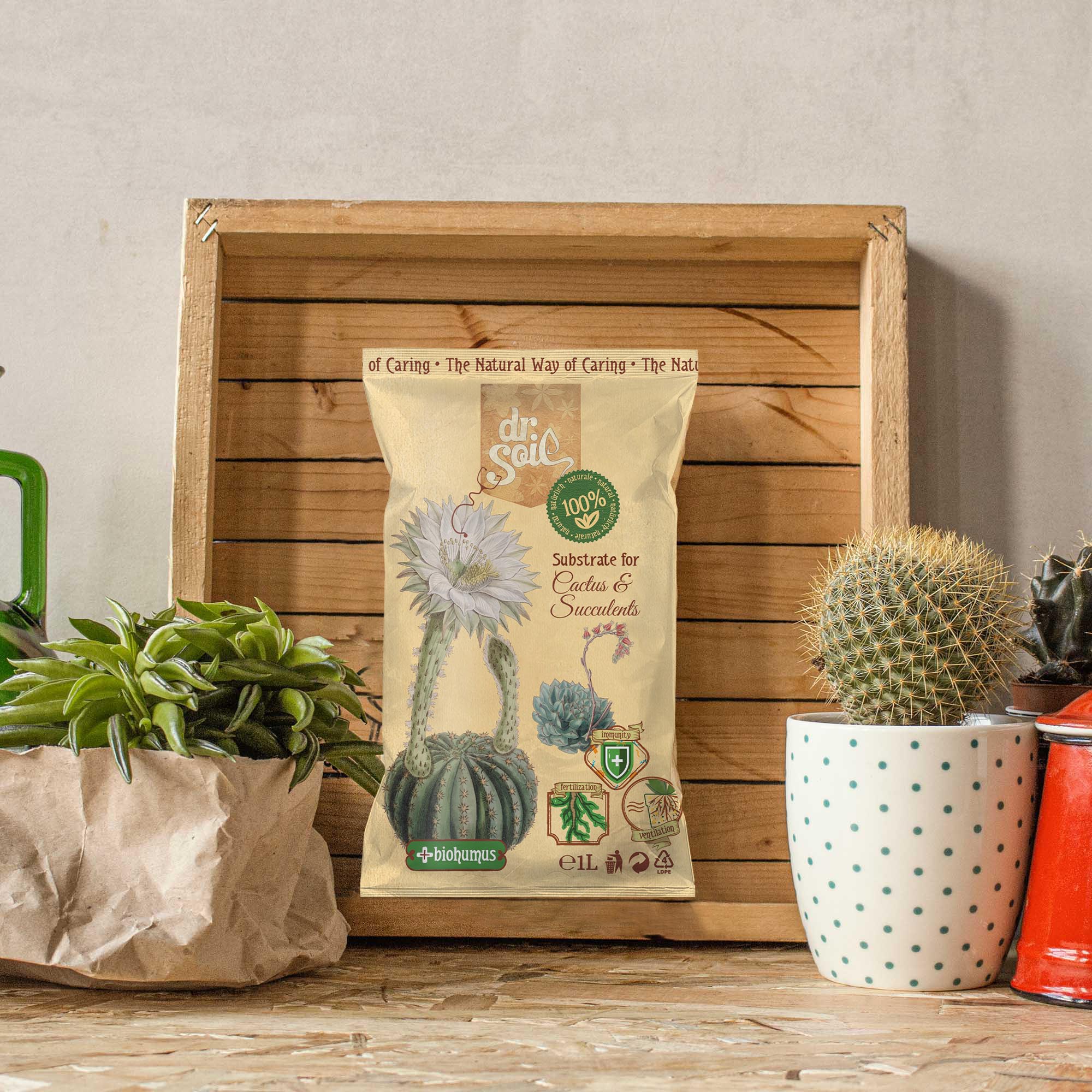
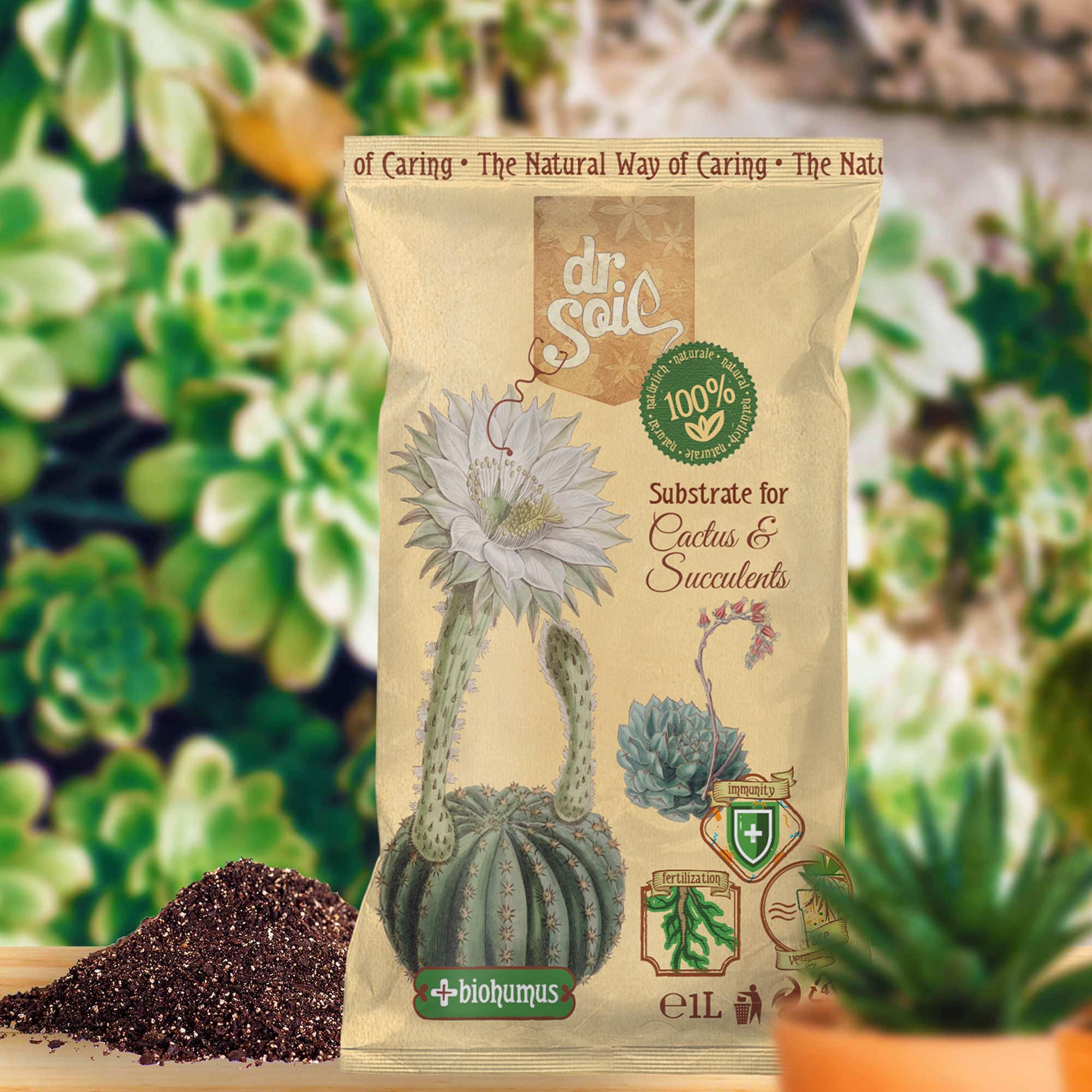
A specialist pre-fertilised growing medium formulated for all cacti and succulent plants — built on a foundation of minimum 60% Mediterranean pine bark humus, with worm castings, peat, perlite, and organic matter providing the maximum drainage, root aeration, and lean nutrition that desert-adapted plants require. Pre-fertilised for up to 6 months. No waterlogging, no root rot, no overfeeding.
This substrate is defined by an unusually high proportion of coarse, draining organic material and a deliberately lean nutritional profile — the two properties that most standard potting composts fail to provide for desert plants:
Dr.Soil Cactus & Succulent Substrate is formulated for all potted cacti and succulent plants: Mammillaria, Cereus, Gymnocalycium, Echinopsis, Ferocactus, Echinocactus (cacti) and Aloe, Crassula, Kalanchoe, Echeveria, Haworthia, Gasteria, Sedum, Sempervivum, Agave (succulents) and all similar species.
Cacti and succulents are native to arid and semi-arid environments where soils are rocky, mineral-poor, sharply draining, and subject to periods of complete drought. Their physiology is optimised for survival in these conditions — which means that the conditions conventional potting compost creates are not merely suboptimal but actively harmful:
The dominant pine bark fraction (minimum 60%) provides the structural drainage that is the primary requirement. The perlite amplifies this drainage to the maximum. The modest proportion of peat provides just enough moisture to avoid desiccation between waterings. The worm castings supply calibrated gentle nutrition and root-stimulating growth hormones. The natural tannins of the pine bark provide antimicrobial protection. The result is a substrate that drains immediately, aerates continuously, feeds gently, and protects actively — the complete environment for healthy desert plant cultivation.
| Step | Action |
|---|---|
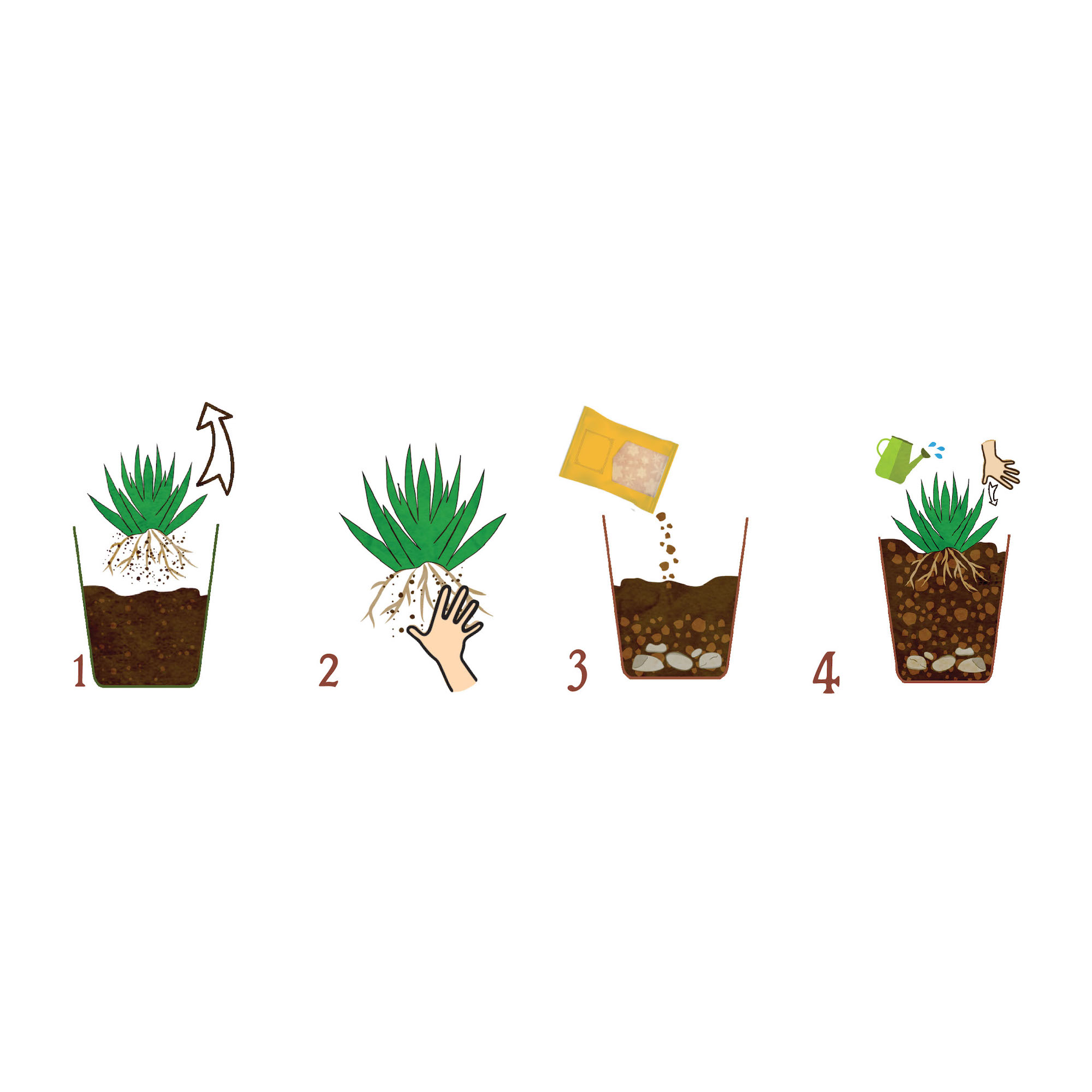
| 1. Choose the container | Select a pot with large, unobstructed drainage holes. Terracotta pots are ideal for cacti and succulents as they allow moisture to evaporate through the pot wall, further reducing waterlogging risk. Avoid containers without drainage under any circumstances. |
| 2. Add a drainage layer | Place a layer of small stones, grit, or expanded clay at the base of the pot to ensure free drainage away from the root zone. |
| 3. Fill and plant | Remove the cactus or succulent from its existing container, carefully removing the old substrate from the roots. Allow the roots to dry for 24–48 hours if any roots are damaged, to allow the wounds to callus before contact with fresh substrate. Place in the new pot and fill around the root system with substrate, pressing gently and evenly. |
| 4. First watering | Water gently and moderately immediately after potting. Allow to drain completely. Wait 7 days before the next watering to allow the roots to establish contact with the substrate. |
| Ongoing care | Water only when the substrate has dried completely. In summer, this may be every 7–14 days; in winter, once a month or less. Always allow complete drainage — never allow the pot to stand in water. No fertilisation required for 6 months. |
Spring, as temperatures rise and day length increases, is the optimal repotting season for most cacti and succulents. Plants waking from winter dormancy will establish rapidly in fresh substrate and develop the root system needed for summer growth and flowering.
When root-bound or showing growth decline. Cacti and succulents that have filled their existing container, or that are showing slowed growth, pale colouration, or reduced flowering despite correct care, will benefit from repotting into fresh substrate. Check the root system when repotting — healthy roots should be white or cream; brown, soft, or absent roots indicate the existing substrate has failed.
When purchasing newly acquired plants. Plants sold in generic multipurpose compost should be repotted into appropriate substrate as soon as possible. Most commercially sold cacti and succulents are in substrates far too moisture-retentive for long-term health.
Dr.Soil Cactus & Succulent Substrate · Net volume: 1 litre · Pre-fertilised for up to 6 months · Ready-to-use · Composition: Mediterranean pine bark humus (min. 60%), worm castings, peat, perlite, organic matter · Maximum drainage formulation · No synthetic fertilisers