£6.99
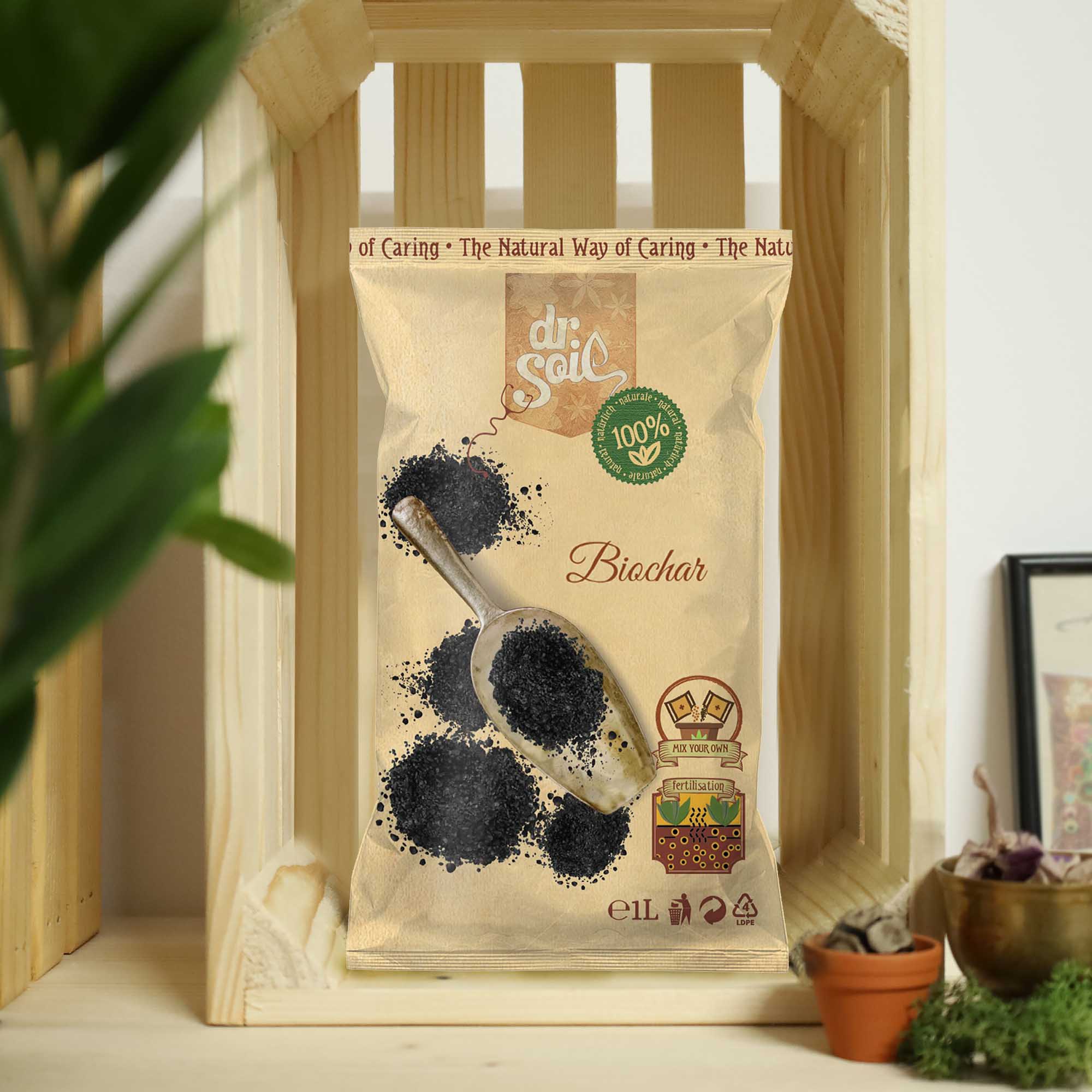
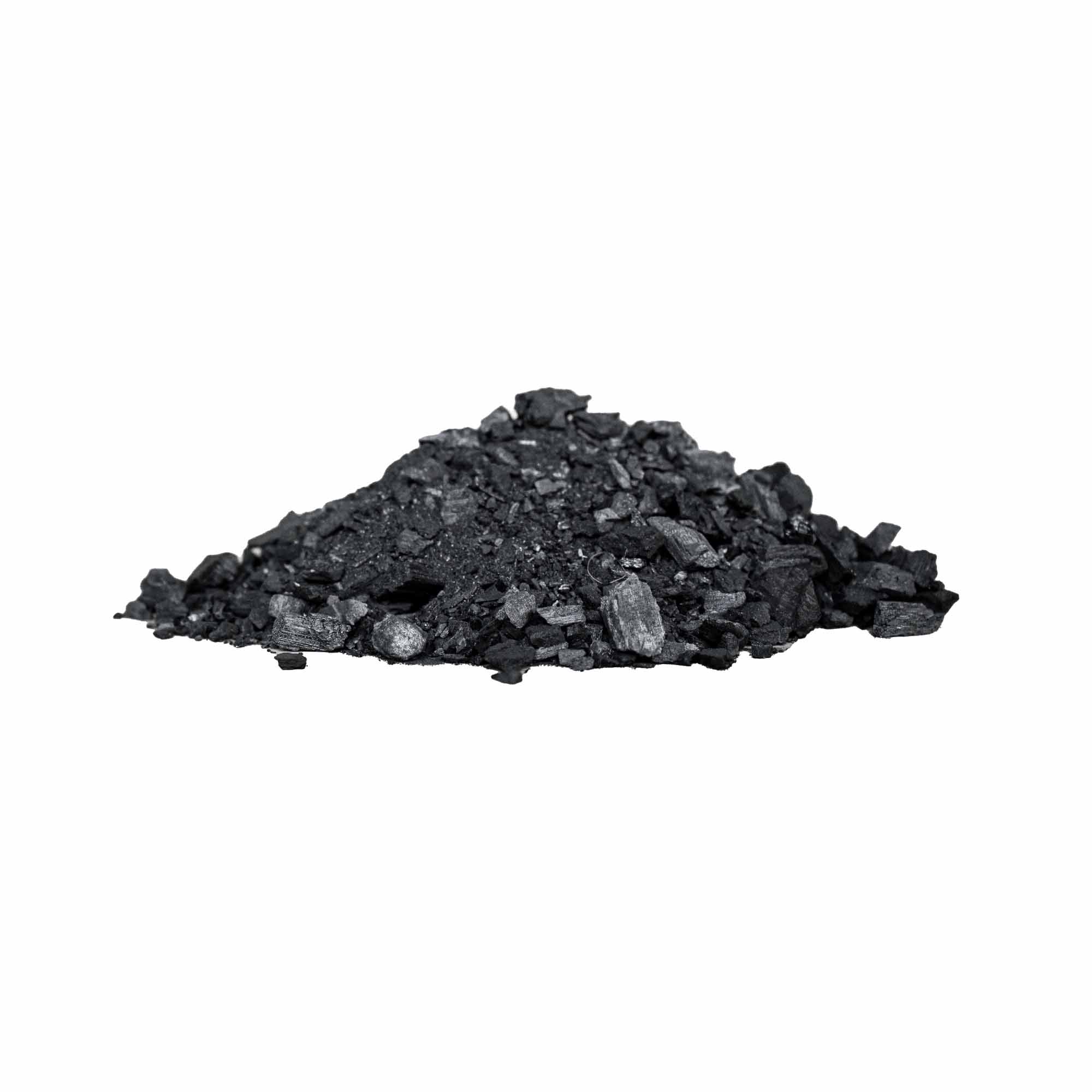
Activated charcoal produced through the pyrolysis of organic biomass — a permanent, carbon-rich amendment with a highly porous microstructure that improves water retention, locks in nutrients, supports beneficial soil biology, and sequesters carbon stably in the growing medium. One application lasts centuries.
Biochar is produced by heating organic biomass at high temperatures in a low-oxygen environment — a process known as pyrolysis. The result is a highly stable form of carbon whose internal structure is a network of microscopic pores, tunnels, and cavities. This extraordinary pore architecture gives biochar properties that no conventional organic amendment can replicate: it absorbs and holds water, captures and retains nutrients, and provides a permanent physical habitat for beneficial soil microorganisms.
Unlike compost, worm castings, or other organic materials that decompose within months or years, biochar does not break down under normal soil conditions. Carbon fixed by pyrolysis remains stable for hundreds to thousands of years — meaning the benefits biochar provides on the day of application are still present decades later, compounding in value as the microbial community that colonises the pore network grows and diversifies over time.
Wood ash supplies minerals but has no pore structure and raises pH aggressively. Activated carbon used in water filtration has a different pore geometry optimised for gas adsorption rather than plant-root interaction. Horticultural biochar is produced specifically to maximise the pore size range most beneficial for soil microbiology and water retention, with a pH correction effect that is gentle rather than abrupt.
Dr.Soil Biochar is a long-term soil infrastructure investment designed for growers who want to permanently improve the productive capacity of their soil or growing medium, rather than simply supplying nutrients season by season.
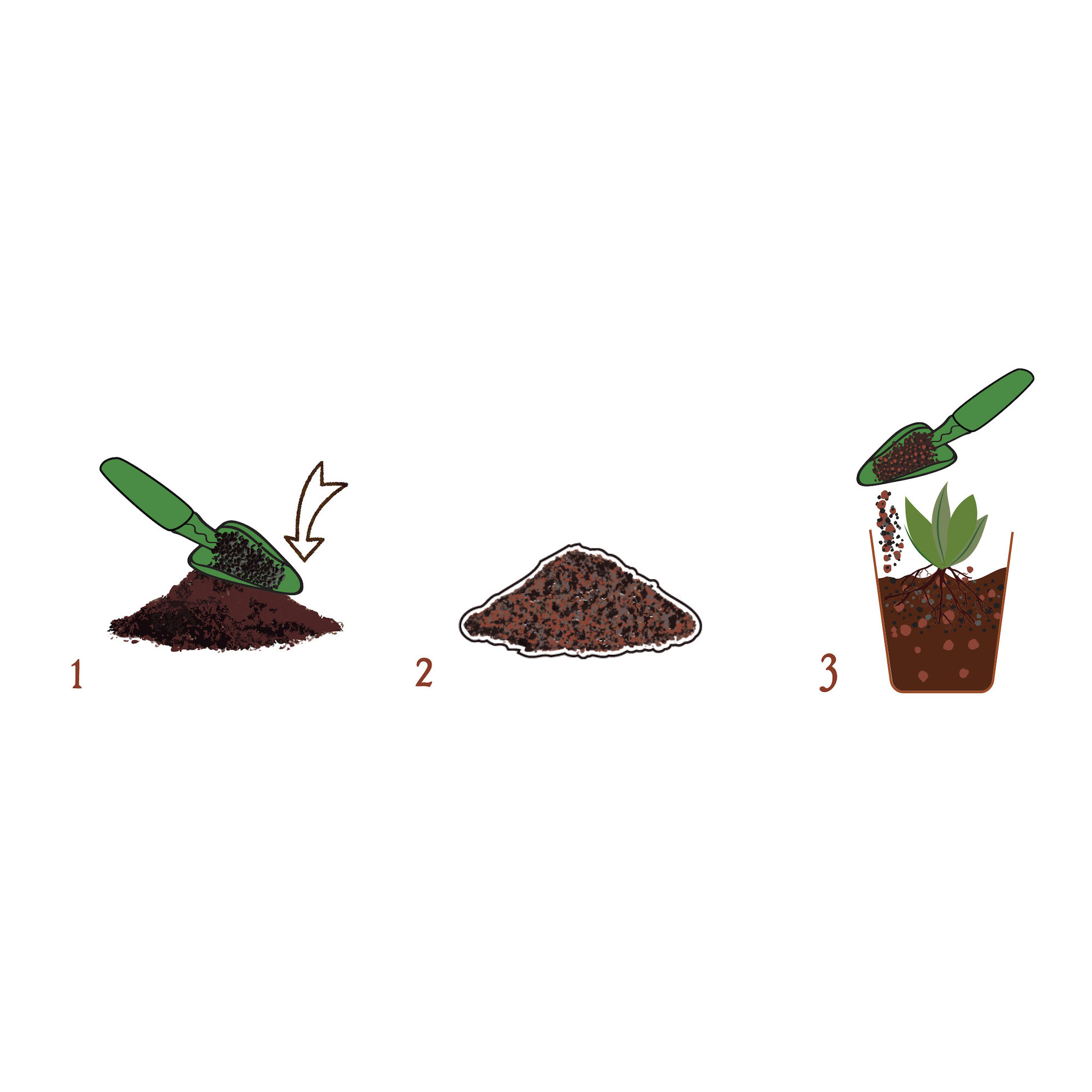
Dr.Soil Biochar should always be pre-charged before incorporation. Dry, uncharged biochar has such a high internal surface area that it will initially draw nutrients away from the root zone as it equilibrates with the surrounding growing medium. Pre-charging saturates the pore network with nutrients and microbial life before the biochar encounters plant roots.
| Application | Rate | Method |
|---|---|---|
| Pre-charging (always first) | 1:1 biochar to compost or worm castings | Mix biochar with an equal volume of compost or worm castings. Moisten and leave for 1–2 weeks before use. The biochar absorbs nutrients and beneficial microorganisms from the organic material. |
| Potting mix | 5–15% by volume | Blend pre-charged biochar evenly with compost, coir, and structural amendments. Use at the lower rate for moisture-sensitive plants; at the higher rate for fast-draining or peat-free mixes. |
| Garden beds and borders | 10–20% by volume | Work pre-charged biochar into the top 20 cm of soil before planting. Particularly effective on light sandy soils or any bed that dries out quickly in summer. |
| Tree and shrub planting hole | 10–15% of backfill | Mix pre-charged biochar into excavated soil and use as backfill around the root ball. The permanent water and nutrient retention will benefit the tree for its entire lifetime. |
| Lawn topdressing | Thin broadcast layer | Apply lightly after aeration and brush into holes. Improves drainage, aeration, and microbial activity in compacted lawns over successive seasons. |
Biochar can be incorporated at any time of year, but the most productive moments are at bed preparation in spring, before the growing season begins, and at planting time, when roots are first establishing and will benefit immediately from the improved water and nutrient environment. Because biochar is permanent, timing is less critical than with conventional amendments — an autumn application will be fully effective by the following spring and every spring thereafter.
Store in the original sealed bag in a dry location. Biochar is completely stable in storage — it will not degrade, lose activity, or change its properties over any timescale. When handling dry biochar in quantity, work in a ventilated space and avoid generating unnecessary airborne dust.
Biochar is non-toxic, non-flammable, and presents no contact hazard in normal horticultural use. Compatible with certified organic systems.
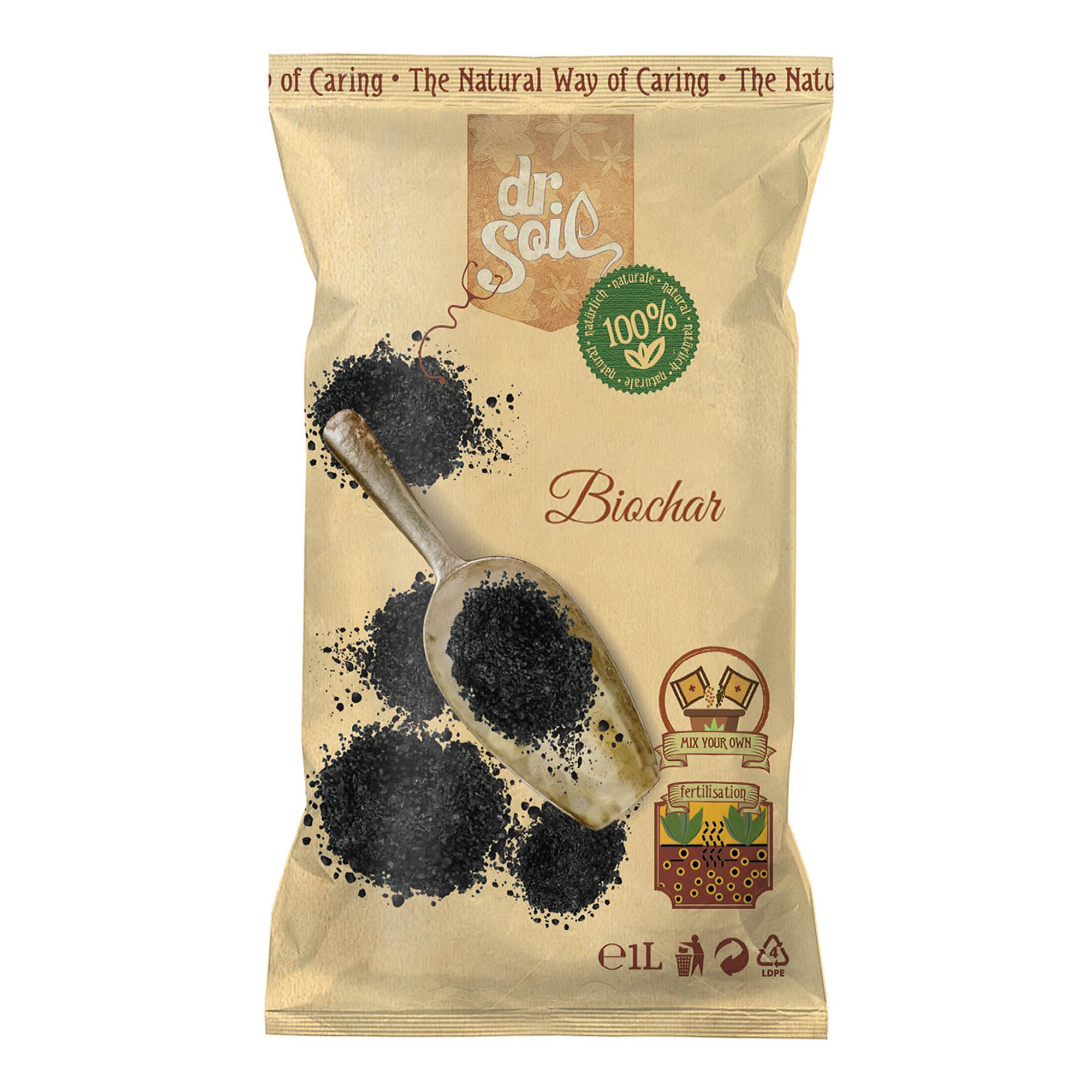
Dr.Soil Biochar — Activated Horticultural Charcoal · Net volume: 1 litre · Production: pyrolysis of organic biomass · Permanent amendment · Pre-charge before use · Certified organic compatible · Carbon sequestering